


May 22, 2026
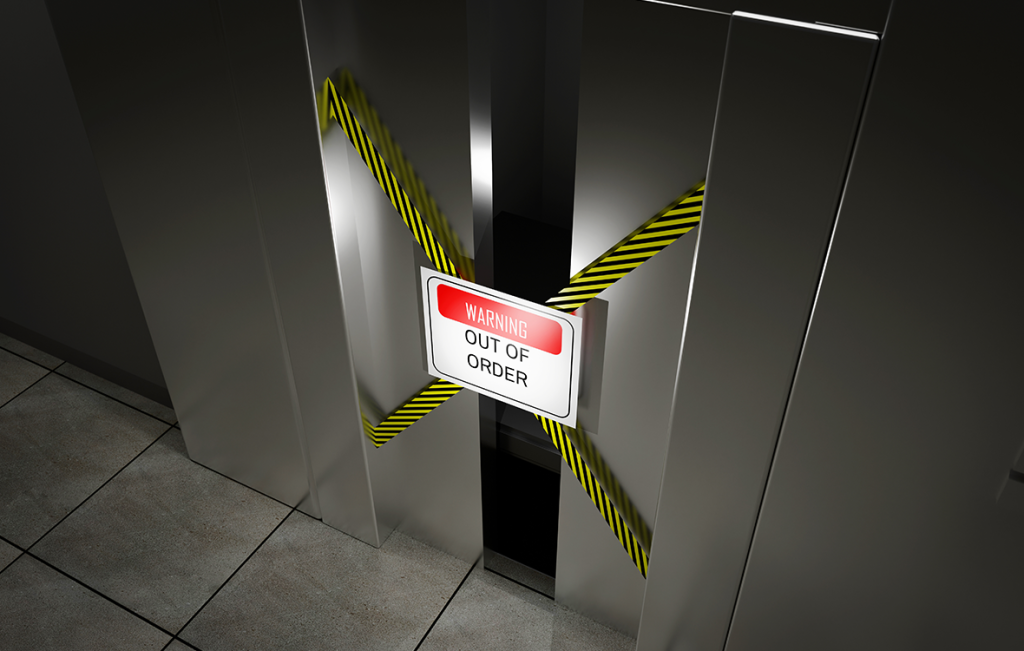
Downtime is the question behind the question. When owners and property managers ask us about upgrading an elevator interior, what they usually want to know is: how to upgrade an elevator interior without shutdown?
Here is what to expect, and the strategies that keep buildings running smoothly while the work happens.
The elevator does come out of service while crews are working in the cab. There is no safe way around that. But the outage does not have to hurt. With a modern panel system, the work is measured in days, not weeks. Our standard SnapCab interiors are designed for one-day installation, and with smart scheduling most buildings barely feel it.
Interior work happens inside the cab: removing old finishes, installing panels, wiring ceiling lighting. Elevator code treats interior changes beyond housekeeping as alterations, performed or supervised by licensed elevator professionals, and no jurisdiction lets passengers ride along with an install crew. Your elevator maintenance company will take the car out of service, do the work, and return it.
So the real question is not whether the elevator goes down. It is how long, and how well the outage is planned. That is where the difference between a rough project and a painless one lives.
With our interlocking panel system, a standard SnapCab interior is designed to be installed in one day. That figure covers installing the interior itself; demolition of the existing interior is its own line of work, and how long it takes depends entirely on what is in the cab today and how it was built. All in, one to two days is a realistic planning figure, with three days as a maximum for jobs with complicating factors. Traditional clip-system interiors commonly take three to four days.
Keep in mind that installation is performed by your elevator maintenance company, so they will give you specific guidance for your building based on their experience and the materials involved.
For the full project timeline, including manufacturing lead times, see our remodel timeline guide.
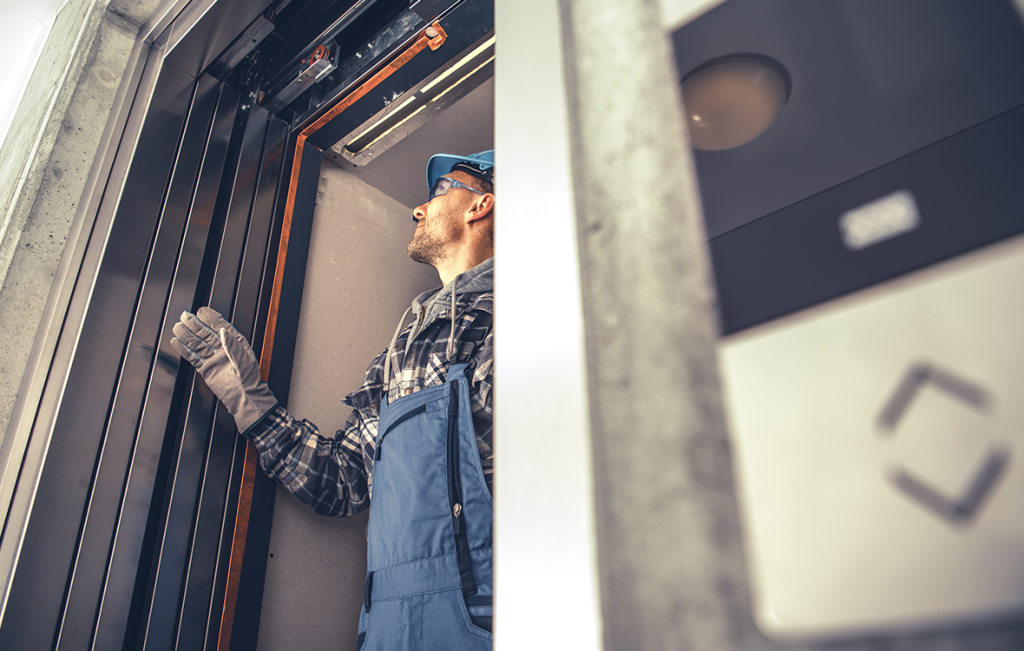
In buildings with multiple elevators, phase the project so the bank keeps running while one car is being refreshed. Riders wait slightly longer for a car for a day or two, and most never notice.
Your elevator company can often schedule installs to avoid your building’s busiest windows. Ask what is possible, and expect off-hours work to carry a labor premium if you request it.
Mid-job supply runs stretch outages. Our interiors ship as a complete kit with every item the mechanics need, down to the garbage bags for post-install waste. That habit came from years of watching installs and asking crews what got in their way, and it means the crew works straight through.
Curious what crew training looks like? Elevator Academy offers free hands-on and online courses for elevator professionals.
A one-day outage announced a week ahead is a non-event. The same outage as a surprise is a complaint generator. Tell people the date, the duration, and what they get at the end.
This is where install speed matters most, because every hour offline is felt. Three things help. First, choose a system designed for a one-day install rather than a multi-day build-out. Second, have your elevator company confirm the schedule and crew before demo starts, so the cab is never opened up and waiting. Third, pick your day deliberately: avoid move-in weekends, delivery-heavy days, and anything else that depends on the car.
For residents or tenants with accessibility needs, plan ahead with notice and assistance. A day is manageable when people can prepare for it.
The buildings that feel zero pain from interior projects all do the same thing: they get their elevator maintenance company and us involved early, before dates and budgets are locked. Early planning is what turns an elevator outage from a disruption into a line on the calendar.
Quick answers about elevator service during interior upgrades.
Our standard SnapCab interiors are designed for one-day installation, and one to two days is a realistic planning figure, with three days as a maximum. Custom interiors, including Bostock Custom, vary with the complexity of the design. Installation is performed by your elevator maintenance company, who will give you specific guidance.
Plan on one to two days for a standard SnapCab interior, three days maximum for complicated jobs. Your elevator maintenance company performs the installation and will give you specific guidance for your building.
Often, yes. Scheduling is up to your elevator maintenance company, and off-hours work may carry a labor premium. It is worth asking, especially for single-elevator buildings.
Usually barely. Doing one cab at a time keeps the bank in service, and wait times only stretch slightly while one car is offline.
No. Speed comes from the system design, not from cutting corners. Interlocking panels install in a fraction of the time of traditional clip systems, with the same materials and standards across our whole product line.
Poor planning: incomplete materials on site, unconfirmed crews, or designs that did not consider installation. A complete kit, a trained crew, and a confirmed schedule prevent nearly all of it.