


June 19, 2026
If you have been searching for elevator interior pricing, you have probably noticed something frustrating: almost nobody publishes real numbers. And the estimates you do find online often describe a different scope of work than the quote that eventually lands on your desk.
We have manufactured elevator interiors for over 40 years and supplied more than 25,000 installations across North America. As a material supplier, the final price you see comes from the elevator maintenance company on your project. But we have watched thousands of projects get budgeted, and we can tell you what experienced developers, architects, and building owners actually set aside to get the job done.
Over the past few years, the most common per-cab allowance we have seen carried for mid tier elevator interior upgrades runs between $45,000 and $55,000, covering material and installation. That number can be lower or higher depending on location, logistics, and the complexity and type of the project, whether it is a service repair, a modernization, or a new installation. These figures come from developers and architects carrying localized budgets for their projects. High-end and custom interiors carry larger allowances that vary widely with material choices.
Treat that range as a planning benchmark, not a quote. Where your project lands depends on your market, your material choices, and the condition of your existing cab.
Elevator interiors are not something a building owner buys off a shelf. Manufacturers like us supply the interior system to your elevator maintenance company, and their licensed mechanics install it. What you pay covers the materials along with the elevator company’s labor and overhead, and all of it needs to be considered in your budget.
Elevator labor rates vary widely from market to market, and the same interior can carry a very different installed cost in different cities. That is why we talk about allowances we have seen get carried, and why the smart move is budgeting the full allowance up front rather than anchoring on the lowest number you find online.
So when you see an online estimate of $8,000 to $25,000 for an elevator interior, it is not necessarily wrong. It is usually describing part of the picture, like materials alone or a partial refresh, rather than a complete interior professionally installed.
| Application | Common Allowance Carried, Per Cab | What It Typically Covers |
|---|---|---|
|
Entry Level |
Under $45,000, depending on scope and region |
A clean, code-compliant interior built on a standard model with quality laminate, supplied and installed by a licensed elevator professional. |
|
Mid Tier |
$45,000 to $55,000 |
A complete interior with upgraded materials and finishes, supplied and installed by a licensed elevator professional. |
|
High End/Custom |
Varies widely upward |
Textured metals, bronze, brass, wood veneer, glass, custom designs. Material choices at this level move the allowance significantly. |
These allowances cover the full cab interior: wall panels, ceiling, lighting, and handrails, including material and installation. They are capital allowances we have seen developers and architects carry in localized project budgets, planning figures rather than quotes. Labor rates vary widely by market, and flooring is typically handled separately.
Where do our interiors fit in those ranges? For most projects, our standard models up through Tier 3 have typically done a great job of staying within the allowances people carry. If your timeline is tight (and your budget is too), our Express cabs pair the same quality and durability with 5 to 6 week lead times.
Five factors explain most of the spread inside, and beyond, that allowance range.
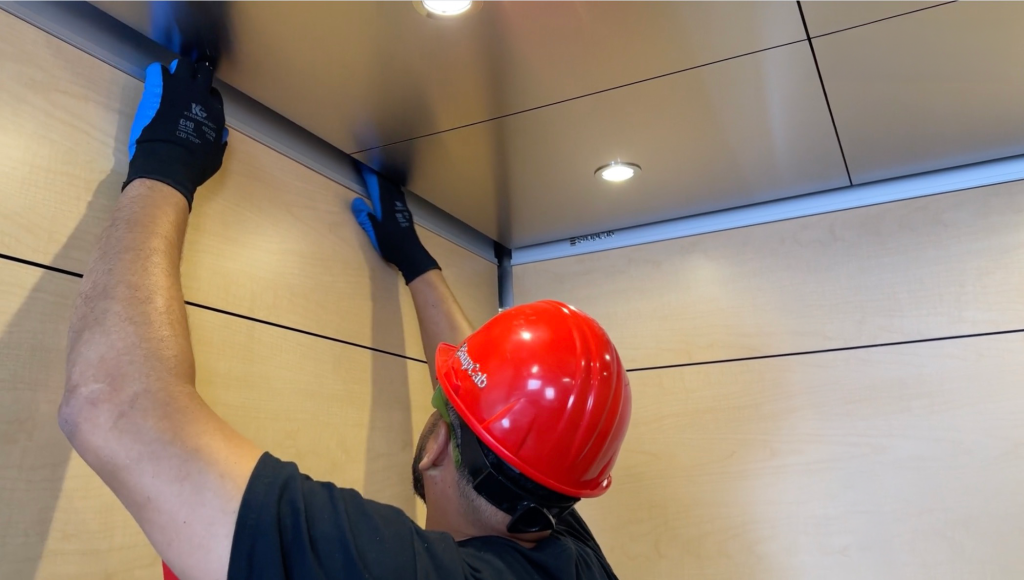
Laminate is the most popular option across the board for the majority of projects that get budgeted and installed. Textured metals, bronze, brass, wood veneer, and glass all raise the price, sometimes considerably. Browse a few examples to see what different materials look like in a finished cab.
Removing an existing interior takes labor, and demo can vary dramatically depending on what was installed before and how complex it is. No demo means real savings.
A complex design can be beautiful on paper and expensive on install day. If the design does not consider how it goes into the cab, the installer has to add labor hours, and that is what blows budgets.
The same interior carries a different installed cost in different cities because elevator labor rates differ by market. Site logistics count too. A cab in the heart of a dense downtown where parking is scarce and staging is difficult takes more coordination and labor than one with easy access.
Doing several cabs at once can create per-cab efficiencies, if the cabs are done around the same time. More on that below.
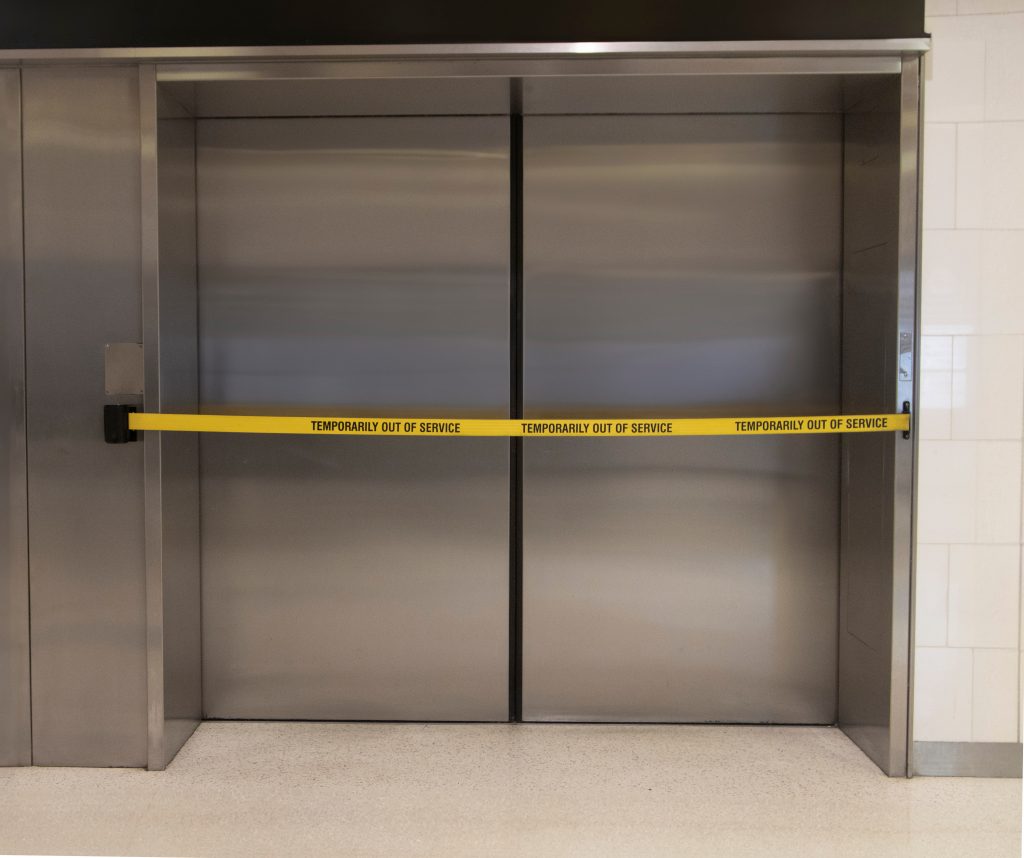
Fewer install days mean less time your elevator is out of service and a smoother project for everyone, including the crew doing the work.
Our standard SnapCab interiors are designed to be installed in one day, and trained crews regularly finish in a day or less. As a realistic planning figure, a standard SnapCab interior takes one to two days, with three days as a maximum for jobs with complicating factors. Traditional clip-system interiors, by comparison, commonly take three to four days. That difference shows up in your project schedule and in how quickly your building gets its elevator back.
For the full timeline from decision to install day, see our remodel timeline guide.
Yes, if you standardize and the timelines line up. The efficiencies come when the cabs are manufactured and installed around the same time. Buying material for the whole project at once and keeping production running continuously, instead of starting and stopping over months, is what lets us pass along material savings where we can. Install crews benefit the same way: they hit their rhythm after the first few cabs, and the work moves faster as the project goes on. Your elevator company may see some of that efficiency as well.
The flip side: twenty cabs spread across ten years is really twenty separate projects. Twenty cabs on one coordinated schedule is where the per-cab math improves.
If you own a multi-cab building, price the whole bank at once before deciding to do cabs one at a time.
A few tips that will save you real money:
Allowances get you oriented. A quote gets you accurate. And this is the single best piece of budgeting advice we can give: get your elevator maintenance company and us involved in the conversation early, before your budget is set. The sooner the experts are in the room, the sooner you have a realistic allowance for your specific building and market, and the fewer surprises you hit down the road. Where people tend to get hurt is making up a budget on their own and hoping it holds.
The fastest path: pick a model and finishes you like, then ask your elevator maintenance company to price the project, or start with our free tools and we will connect the dots. Standard product quotes come back within one business day, with product weights listed so there is no code guesswork.
The most common allowance we have seen developers and architects carry for mid tier interiors is $45,000 to $55,000 per cab, covering material and installation. Projects can land lower or higher depending on complexity, project type, and region. High-end and custom interiors carry larger allowances.
Published estimates often describe part of the scope, such as materials only or a partial refresh. A complete interior supplied and installed by a licensed elevator professional typically carries a larger overall budget.
The allowances we have seen carried have typically included both material and installation, but they can vary widely. It is always good to reach out to your elevator maintenance company before budgeting for an interior, and to get them and us involved in the conversation early. That is how you land on a realistic allowance instead of a hopeful one.
Material choices and labor. Premium materials like textured metal, bronze, brass, veneer, and glass raise material cost, and complex designs or heavy demolition add labor hours. Labor rates also vary widely by market.
They can, when the design is standardized and the cabs are done around the same time, so manufacturing and installation run continuously instead of starting and stopping. Cabs spread out over years are separate projects and do not see the same efficiencies.
Our standard SnapCab interiors are designed for one-day installation, and one to two days is a realistic planning figure. Keep in mind that installation is performed by your elevator maintenance company, so they will give you specific guidance based on their experience and the materials involved.
Start with our standard models. SnapCab interiors are known for being durable, high quality, and great looking, and our standard models have typically done a great job of staying within the allowances people carry for their projects. Choosing quality laminate and standardizing the design across multiple cabs helps too.