Book a Design Session

Jenn

Lightweight Strength: Design Freedom with Compact Laminate Elevator Interiors

Compact Laminate Elevator Interiors that perform in extreme humidity benefit from Wilsonart® Compact Laminate materials. They are a high-performance upgrade that SnapCab uses to meet strict weight limits and rigorous durability codes.

Explore how SnapCab utilizes Wilsonart® Compact Laminate as a high-performance upgrade to meet strict weight limits and rigorous durability codes.
Lightweight Strength: Design Freedom with Compact Laminate Elevator Interiors

Explore how SnapCab utilizes Wilsonart® Compact Laminate as a high-performance upgrade to meet strict weight limits and rigorous durability codes.
April 10, 2026

Compact Laminate Elevator Interiors that perform in extreme humidity benefit from Wilsonart® Compact Laminate materials. They are a high-performance upgrade that SnapCab uses to meet strict weight limits and rigorous durability codes.
Designing an elevator interior is a balancing act. Aesthetics, durability, weight limits, codes, and long-term performance all having to work together—inside one of the smallest, most heavily used spaces in a building.
At SnapCab, that balance starts with our Interlocking Panel System (ILP)—the backbone of every SnapCab interior. Within that system, Wilsonart® Compact Laminate is thoughtfully used as a material upgrade. It’s not a one size fits all solution, rather, compact laminates are recommended for specific conditions where extra durability or moisture resistance is required.

The Foundation of Durability: Our Interlocking Panel System (ILP)

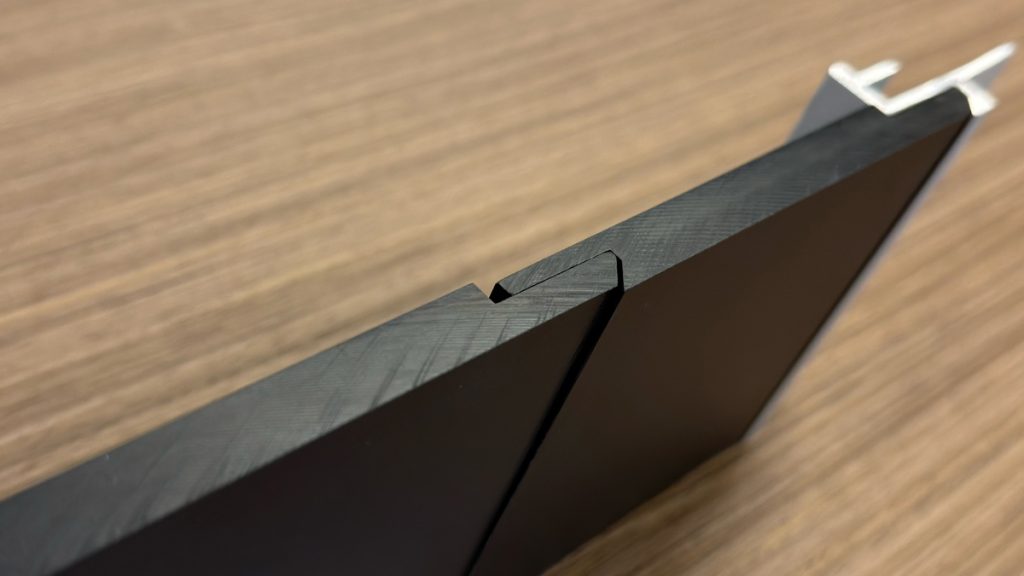
The Interlocking Panel design we use in our elevator interiors is a system that provides structural integrity, fast installation, and long-term reliability. SnapCab interiors are built around this low-profile arrangement, which has been solving elevator remodeling challenges since the nineties. Common obstacles like uneven or out of square cab shells, tight weight allowances and limited installation time are easily overcome. Additionally, the simplicity of the system allows for long term serviceability.

The ILP allows horizontal panels to lock together securely, stay aligned over time, and install quickly—often in a single day. This system is consistent across SnapCab models, whether the finish is laminate, metal, glass, or Compact.

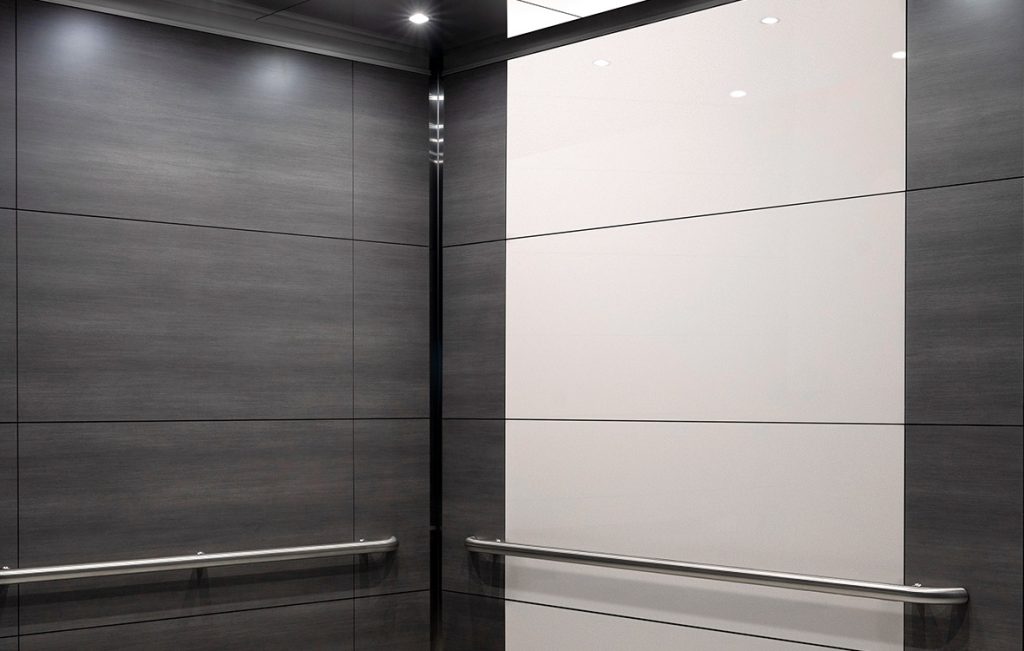
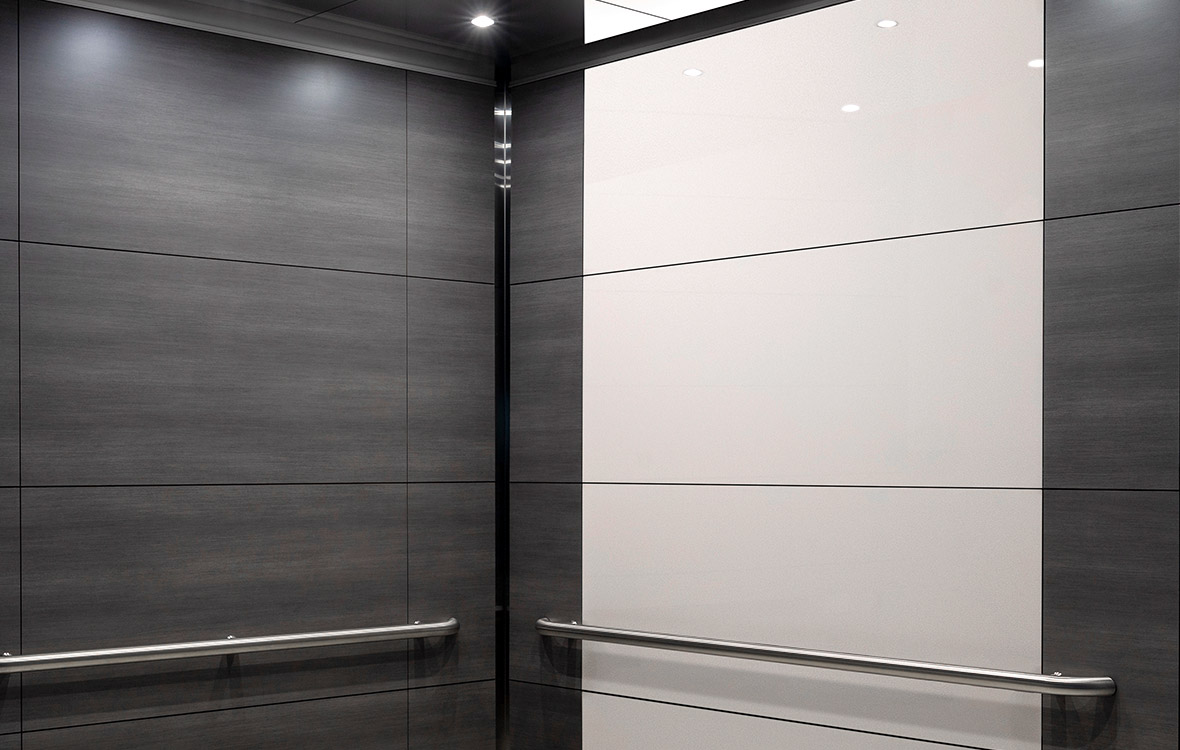
Compact Laminate Elevator Interiors utlize SnapCab’s ILP (Interlocking Panel) system for a simple-to-install, long-lasting solution.

When to Choose Compact Laminate Elevator Interiors

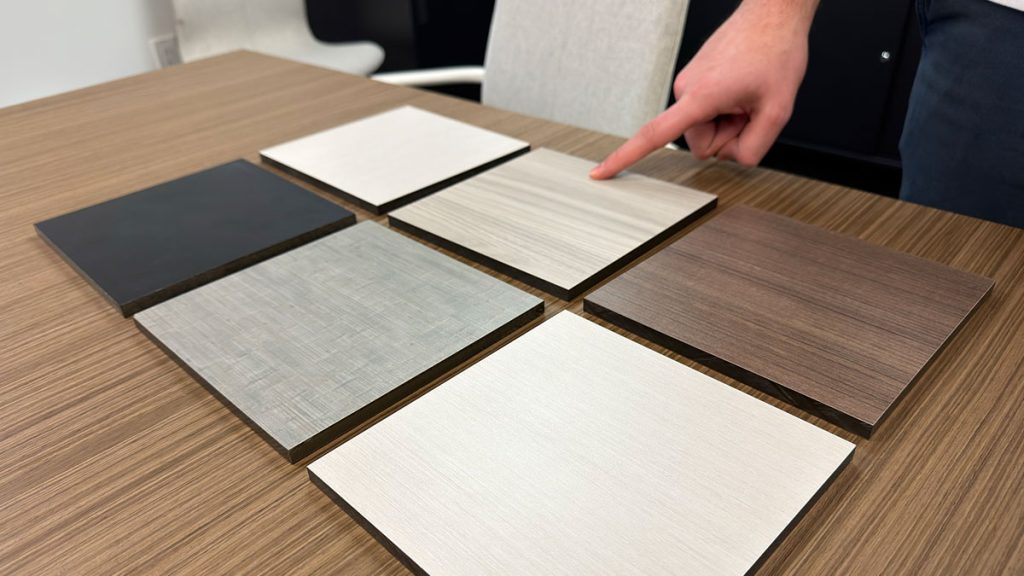
Wilsonart® Compact Laminate is a solid phenolic panel, thick enough to serve as both the decorative surface and the panel itself. SnapCab was the first company to fabricate elevator wall panels using Compact Laminate, integrating it seamlessly into the ILP framework.

Compact is typically recommended for special conditions, such as:

✓         High humidity environments

✓         Buildings with pools or spas

✓         Heavy traffic or vandal prone locations

✓         Service elevators and demanding use cases

In standard office or residential environments, SnapCab often specifies traditional laminates, wood veneers, or metal finishes. Compact becomes the strategic upgrade when added performance is required.

Design Versatility Across SnapCab’s Models

Compact Laminate can be specified across Tier 2 and Tier 3 SnapCab models, allowing durability upgrades without changing the overall design.

Horizontal ILP Models

Compact works particularly well in SnapCab’s horizontal layouts, where panels can act as both the finish and the structure of the cab interior:

Classic I & Classic II
Contemporary I & II
Modern I 

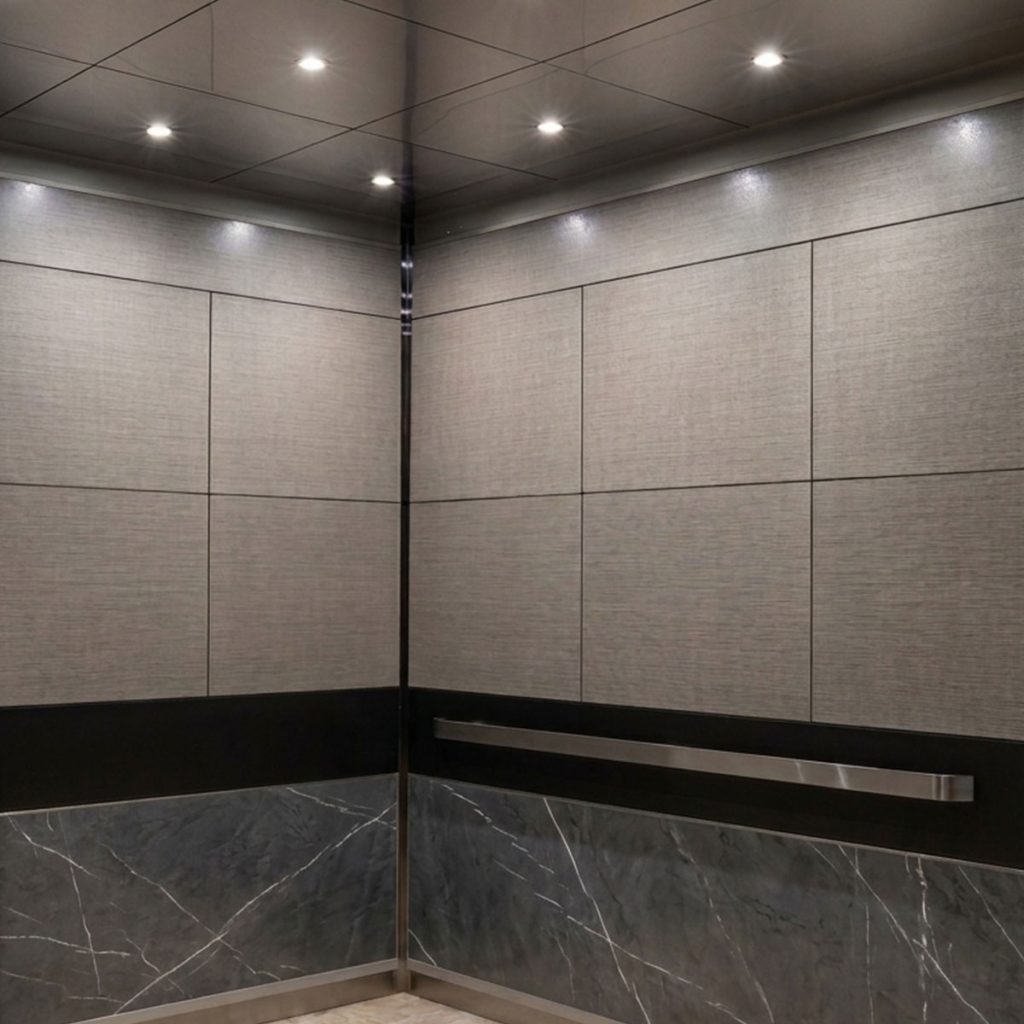
In these models, Compact Laminate can be used selectively, such as below the handrail or across full wall sections, while maintaining the clean shadow lines and proportions that define each design.

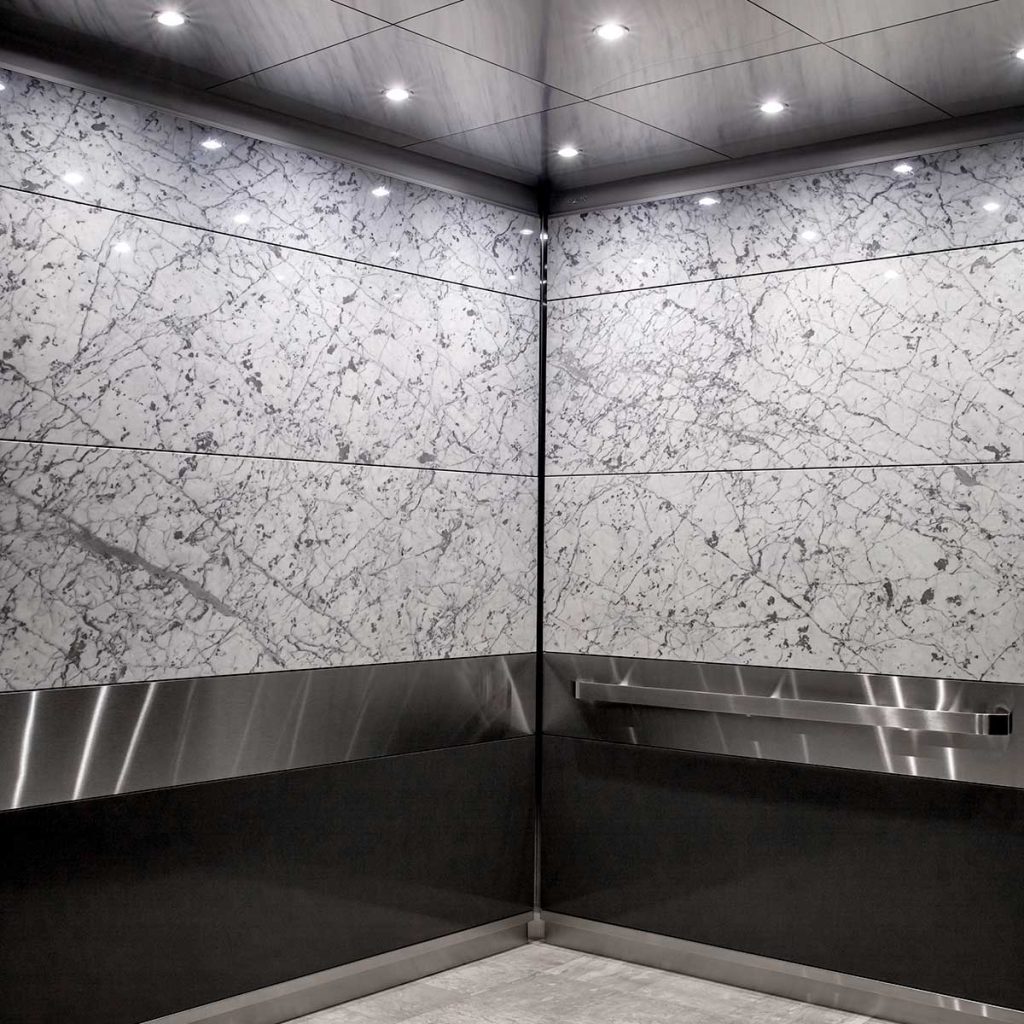
Compact Laminate Elevator Interiors can give you the aesthetic look of stone or other natural materials, without the weight-cost of alternative panel materials.

Tier 2 and Tier 3 Design Forward Models

For more architectural interiors that require elevated design flexibility, Compact Laminate can be integrated into models like:

Apex I & II
Summit I & II
Modern II
Radiant
Resilient

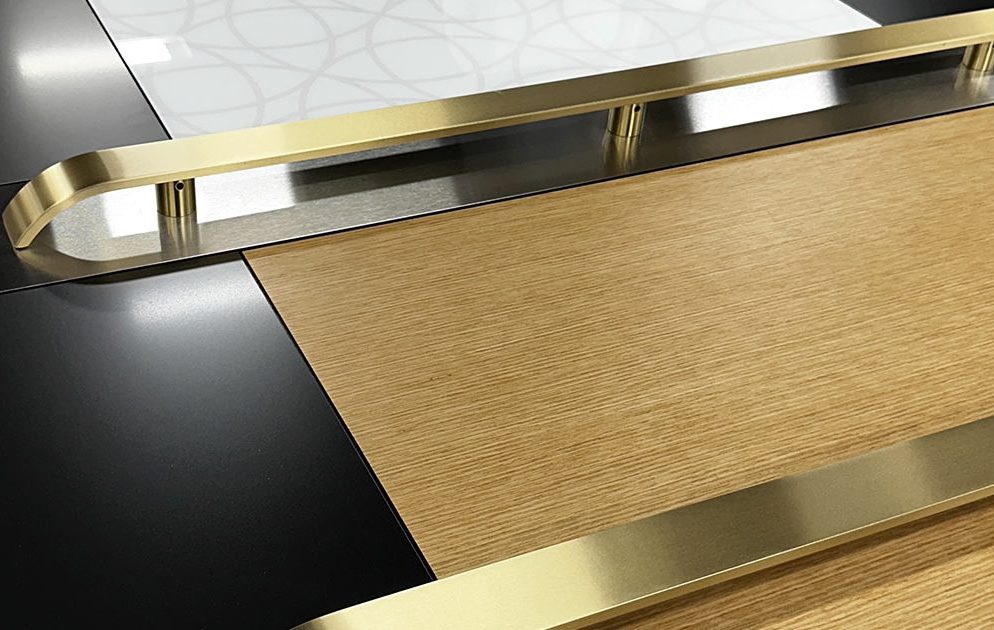
These designs often combine Compact Laminate with other finishes—such as patterned stainless steel, Gorilla® Glass, to balance durability, weight, and visual interest.

High-End Aesthetics with a Weight Advantage

One of the biggest challenges with elevator interiors is ensuring the design maintains the proper weight. Heavy materials like stone, thick metal, or glass can quickly push a cab beyond its allowable limits, triggering costly rebalancing.

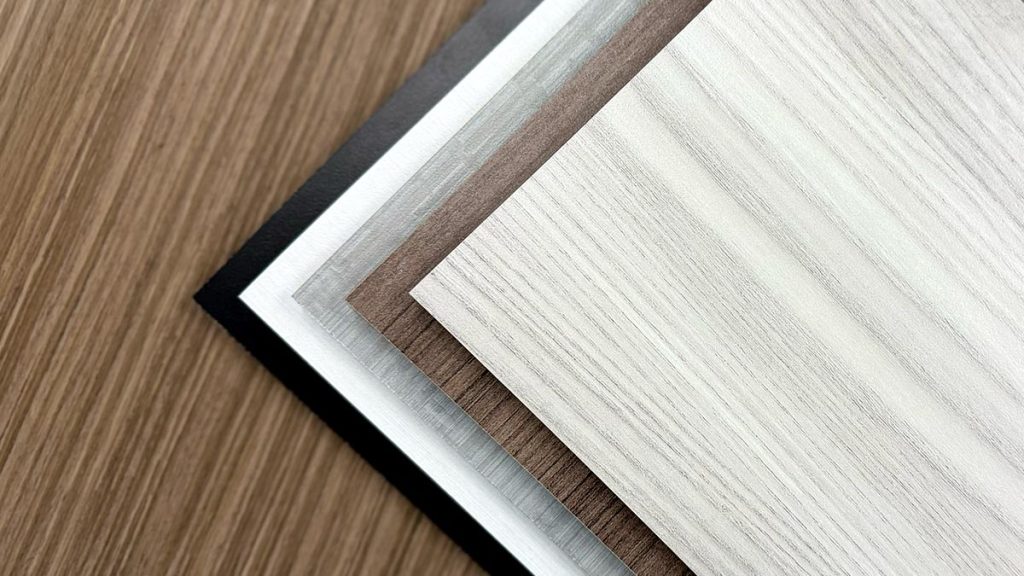
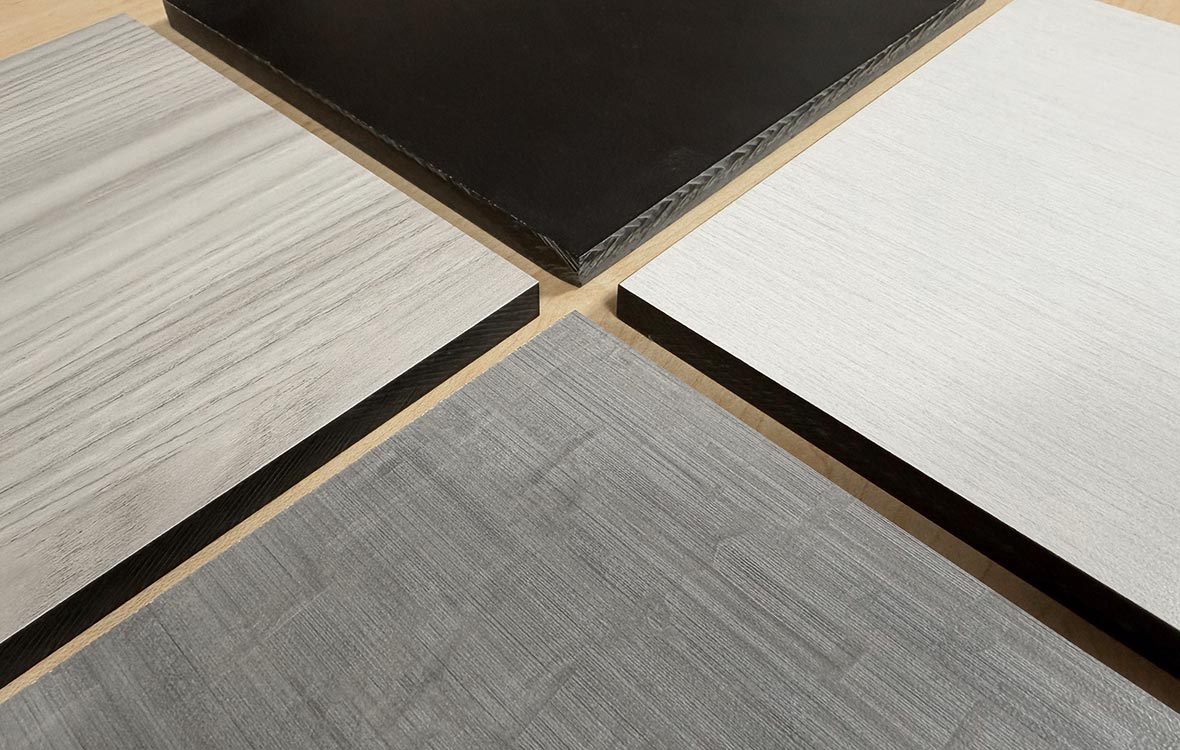
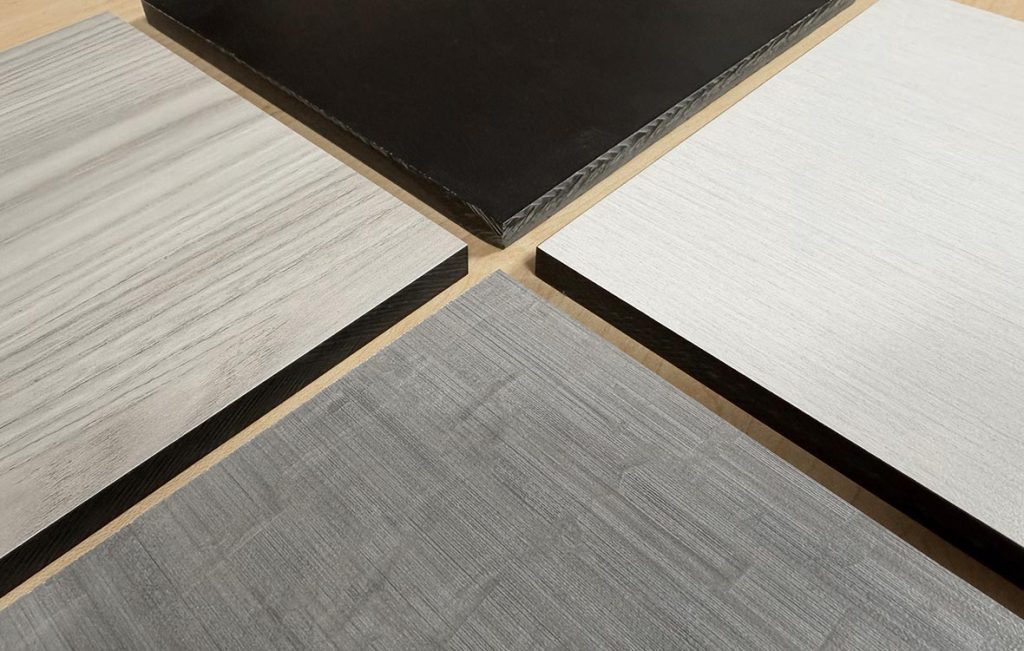
Compact Laminates weigh less than many known durable surfaces, yet they can also deliver the look of stone, wood or abstract materials. This solution, which integrates cleanly into SnapCab’s engineered paneling system, offers aesthetic flexibility without the weight-cost.

Because SnapCab evaluates total interior weight during quoting, Compact can often be substituted in targeted areas to meet performance needs without exceeding limits.

Durability Built for Extremes

SnapCab does not over spec materials. Instead, Compact Laminate is recommended where data and experience show it will make the biggest impact.

According to SnapCab guidance, Compact is:

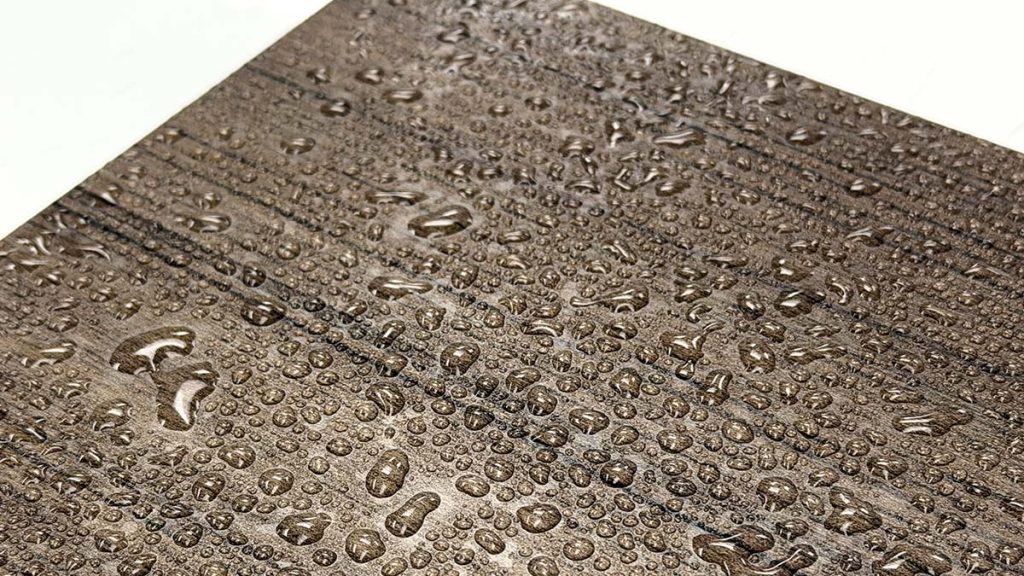
✓         The most durable and moisture resistant material offered

✓         Highly resistant to scratches, abrasion, and odors

✓         Ideal for environments where MDF or particle board substrates are at risk 

This is why Compact is commonly specified for:

✓         Coastal and island installations

✓         High humidity regions

✓         Buildings with frequent cleaning or water exposure

Nearly all SnapCab projects shipped to Hawaii use Compact Laminate, reflecting its performance in extreme conditions.

Compact Laminate Elevator Interiors can give you the aesthetic look of wood or other natural materials, without the weight-cost of alternative panel materials.

Reliability by Design: The System-First Philosophy

What sets SnapCab apart is not a single material—it’s the system first approach. Using the ILP means your elevator interiors have structural consistency across models and faster installation. What’s more, cab interiors installed using an ILP system maintain cleaner alignment over time and offer easier replacements, should you need to switch out a panel in the future.

Within that system, materials like Compact Laminate are deployed intentionally, based on real world performance requirements—not trends alone.

Choosing the Right Material for Lasting Solutions

Compact Laminate is a powerful tool in elevator design—but it works best when paired with the right system. By combining the SnapCab Interlocking Panel System with strategic use of Compact Laminate, elevator interiors can achieve long term durability, controlled weight, design flexibility and a predictable performance.

It’s how SnapCab delivers interiors that look great, from day one and continue to perform for years.

Elevating a Class A Landmark: 20-Cab Interior Transformation

At SnapCab, we leverage over 40 years of industry experience to provide a curated portfolio of possibilities for custom elevator interior design.

A study on how SnapCab transformed 20 elevator interiors for a Class A building in Washington, D.C. using Gorilla Glass, Rift Cut White Oak, and precision engineering.
Elevating a Class A Landmark: 20-Cab Interior Transformation

March 30, 2026

Client

Confidential International Corporation

For a premier Class A office building in the heart of the nation’s capital, our custom elevator interior solutions provided a sophisticated gateway to a modern workspace. By blending high-end materials like Rift Cut White Oak Veneer and Gorilla Glass, we transformed twenty elevator cabs into seamless extensions of the building’s contemporary design.

Background

A Vision for 20 Elevator Interiors to Match a Modern Landmark

When a prominent international corporation in Washington, D.C. prepared their building for a major high-profile event, they knew their vertical transportation needed to match the prestige of their newly renovated Class A office space. They approached SnapCab with a significant task: design, engineer, and deliver custom interiors for twenty elevator cabs that would perfectly mirror the building’s updated aesthetic.

Challenge

Bridging the Gap Between a Blank Canvas and Architectural Excellence

Large projects like these often come with a pre-defined architectural plan. Instead, the client looked to our team to serve as the lead designers. Without initial design goals the challenge was twofold: Develop a luxury aesthetic from scratch that would satisfy a high-end corporate identity. In addition, manage the logistical and engineering complexities of twenty individual cabs, each requiring a perfect fit and finish.

At SnapCab, we leverage over 40 years of industry experience to provide a curated portfolio of possibilities for custom elevator interior design.
The Solution

From Concept to Craftsmanship

Leveraging over 40 years of industry experience, our team provided a curated portfolio of possibilities. We did this through a collaborative process of renderings and critiques, we distilled a wide range of ideas into a singular, focused vision.

As a result, the final design showcased a delightful combination of premium materials and sophisticated finishes.

Real Wood Veneer with Precision Tone-Matching

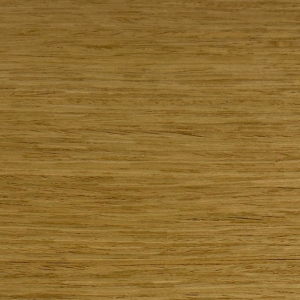
To ensure a seamless flow from the lobby to the cab, we utilized Rift Cut White Oak Veneer. Our craftsmen employed a meticulous multiple-round-toning method—staining and sealing in layers—to achieve an exact match with the building’s interior wood accents.

Gorilla Glass & Onyx Accents

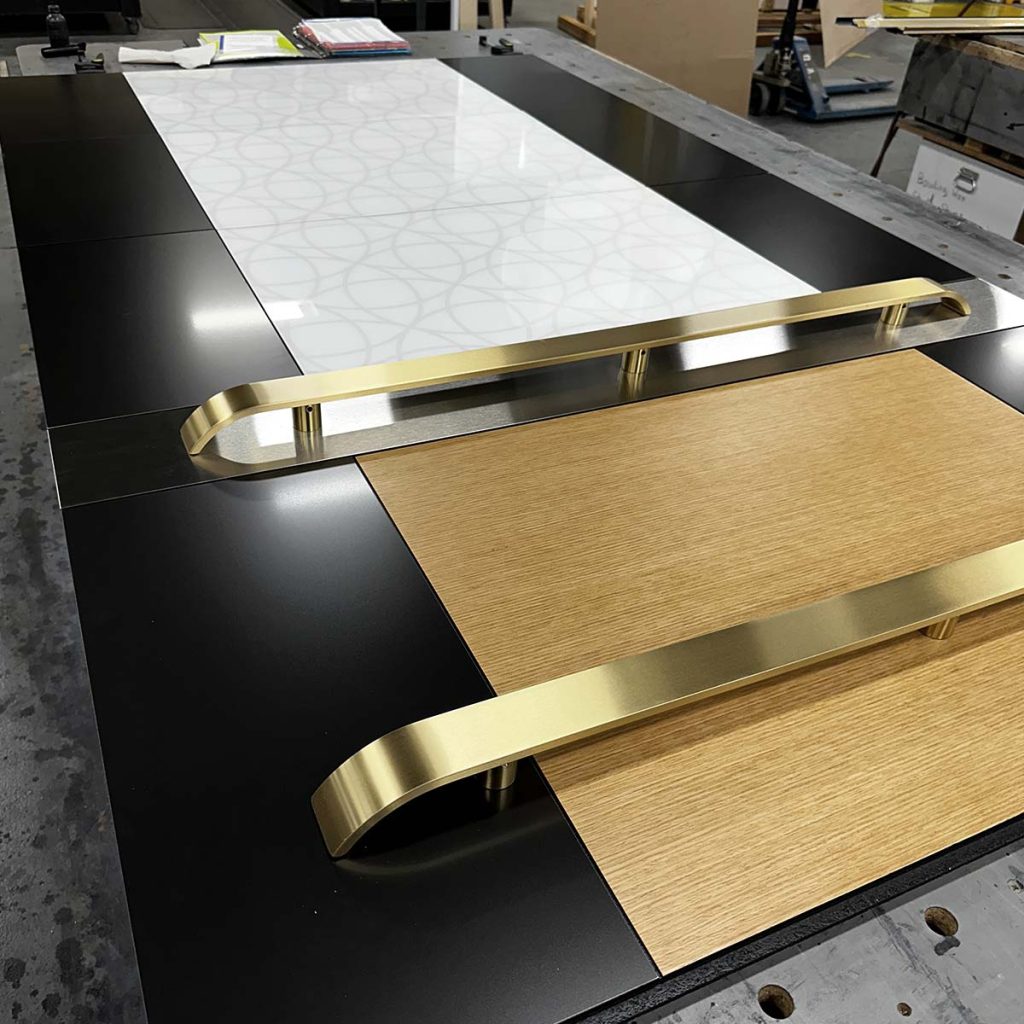
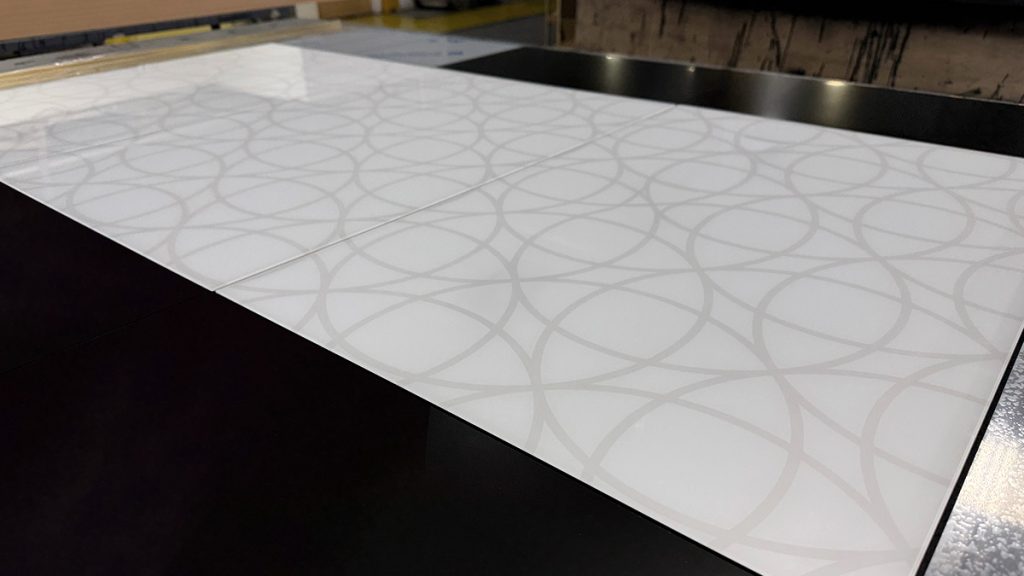
In addition to the veneer, the centerpieces of the panel design featured elegant grey and white imagery mounted behind Gorilla Glass using optically clear adhesives. This was bordered by Rimex T22 metal in Onyx Black, providing a rich, professional contrast that also matched the high durability of the Gorilla Glass.

Satin Bronze Reveal Package

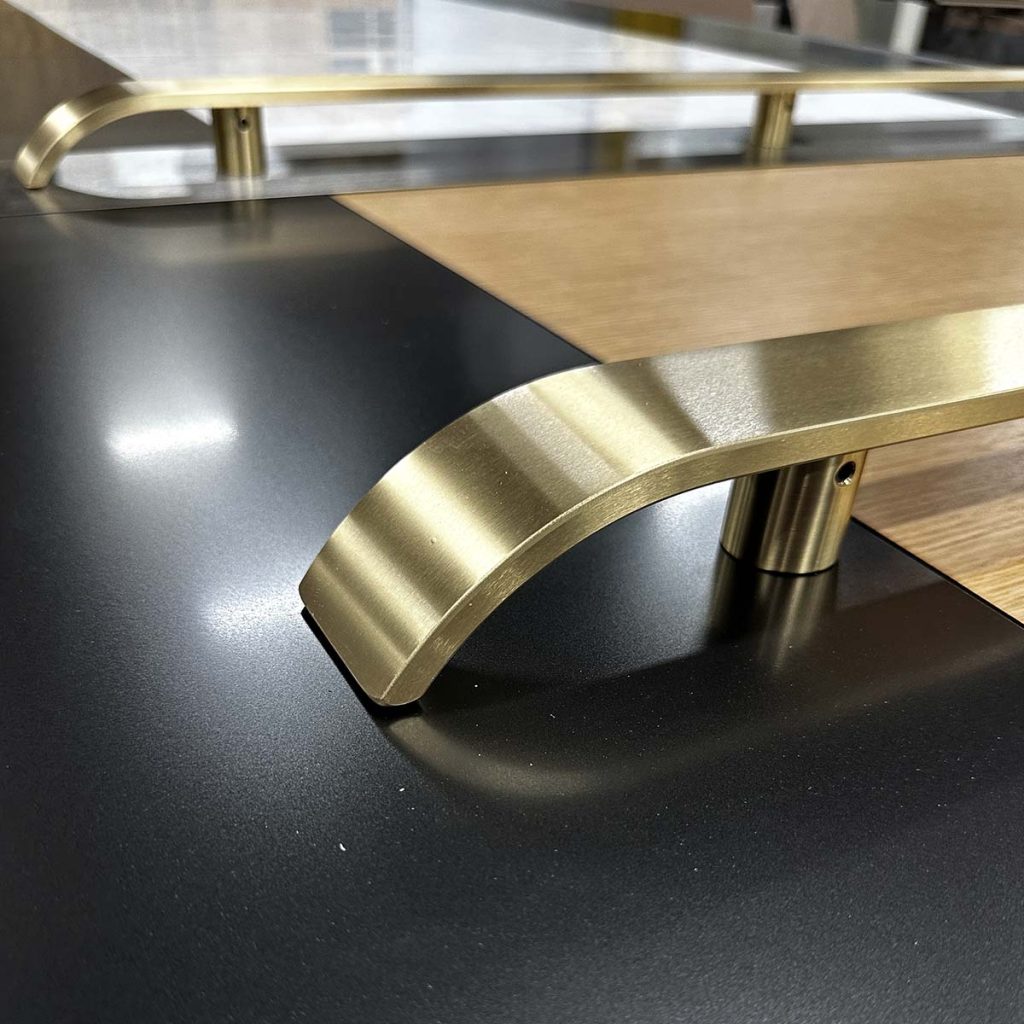
To provide contrast, our client opted for a deluxe satin bronze metal for the reveals, handrails and bumpers, adding a layer of warmth and elegance to the cab’s perimeter.

Integrated LED Lighting

Finally, to enhance the sense of space and modern flair, perimeter LED lighting was installed to complement the standard downlighting.

At SnapCab, we leverage over 40 years of industry experience to provide a curated portfolio of possibilities for custom elevator interior design.
The Impact

Going Above and Beyond: Quality Seen and Unseen

To ensure this high-profile project was executed flawlessly, we moved beyond standard manufacturing to provide white-glove onsite services. In fact, our team members travelled to the client’s building to perform cab surveys for each of the twenty elevators.

The “Real-Life” Interior Model

Recognizing the difficulty of choosing designs from a screen, we transformed one of the twenty elevators into a physical showroom. We installed a custom interior where each wall featured a different design option. This allowed the client to physically step into the space and experience the materials in situ before final production.

Engineering for the Elevator Mechanic

True craftsmanship is often hidden. While the design utilized materials of varying thicknesses, our engineers refused to take the easy route of using multiple substrates. Instead, they utilized custom milling and precision spacers to create a single, perfectly flush panel. This “flush-mount” engineering not only looks superior but also simplifies the installation process for mechanics on-site.

Bespoke On-Site Adjustments

When we discovered that the existing Customer Operating Panels (COP) didn’t perfectly overlap our reveals, we engineered a solution, utilizing our provided MDF wall packs, to bring the entire wall out further. This eliminated visual inconsistencies and ensured a tight, “built-in” feel while maintaining full mechanical access for maintenance.

At SnapCab, we leverage over 40 years of industry experience to provide a curated portfolio of possibilities for custom elevator interior design.
Why SnapCab?

A Collaboration Built on Expertise

From traveling to D.C. to hand-measure every inch of all twenty cabs to overseeing the first installations, our commitment to the project went far-beyond the factory floor. We provided a turnkey solution that balanced the high-end demands of a Class A building with the rigorous safety standards of ASME A17.1 and ASTM E84 Class A fire-ratings. The result is a stunning, durable interior that reflects the excellence of the corporation it serves.

Conclusion

This project highlights the power of a true design-build collaboration. By taking a “blank canvas” and applying four decades of engineering expertise, we helped this Washington, D.C. landmark achieve a cohesive, luxury environment from the ground floor to the top floor. Whether it’s through physical prototyping or precision wood-tone matching, we remain dedicated to elevating the standard of elevator interior design.

If you have any questions about our custom elevator interior systems, please reach out to start your consultation.

Features

Corning© Gorilla© Glass

Rift Cut White Oak Veneer

Anodized Bronze Reveal Package 

Rimex T22 Accents

Integrated LED Lighting
Finishes

Request More Details on this Project