Knowing the difference between elevator modernization and an interior upgrade saves time and money. While modernization fixes how your system performs, an interior upgrade completely transforms how the ride feels. Discover which project matches your building’s immediate needs and why bundling both is often the smartest, most cost-effective move.
Insights
Elevator Modernization vs. Interior Upgrade: What’s the Difference?
How to Choose Between Mechanical Performance and Cab Aesthetics to Protect Your Capital Budget
July 2, 2026
These two terms get mixed up constantly, and the confusion is expensive. Before you start looking at the cost to upgrade commercial elevator interiors, it is critical to know exactly what you are paying for. Owners sometimes budget for a full modernization when all they wanted was a better-looking cab, or assume a fresh interior will fix performance problems it cannot touch.
We have supplied elevator interiors for over 40 years, and this question comes up on projects all the time. Here is the difference in plain terms, and how to tell which one your building actually needs.
One note before we dig in: treat this as perspective, guidelines we have learned over decades of working alongside elevator companies. Your elevator maintenance company is the authority on your equipment. If your elevator is acting up, that call comes first, and the right answer may not be a modernization at all. Sometimes it is a simple service and repair.
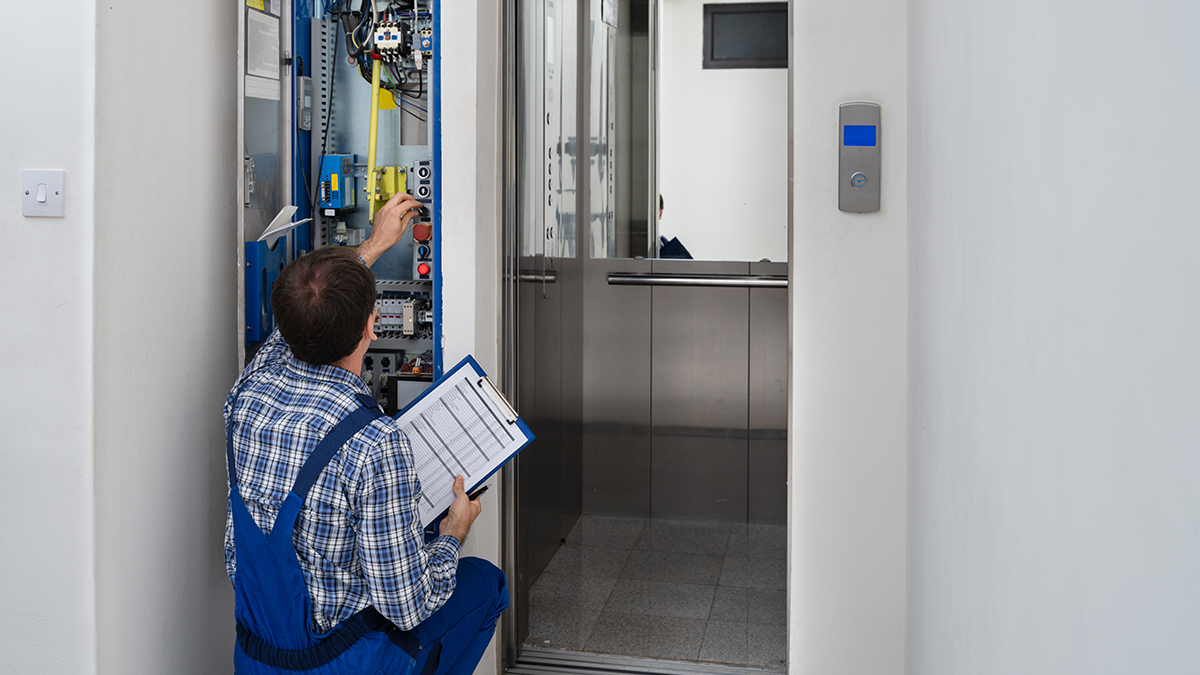
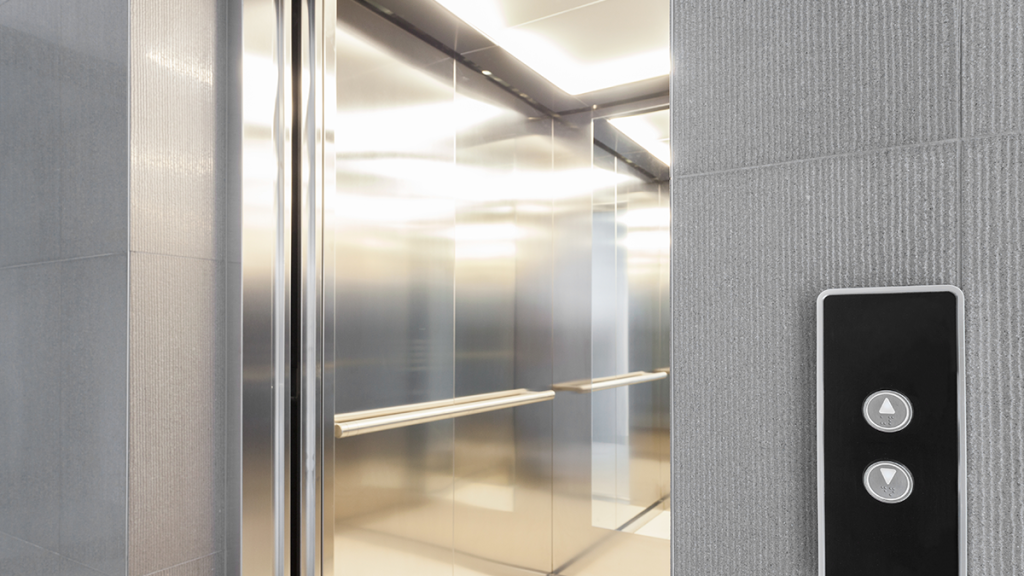
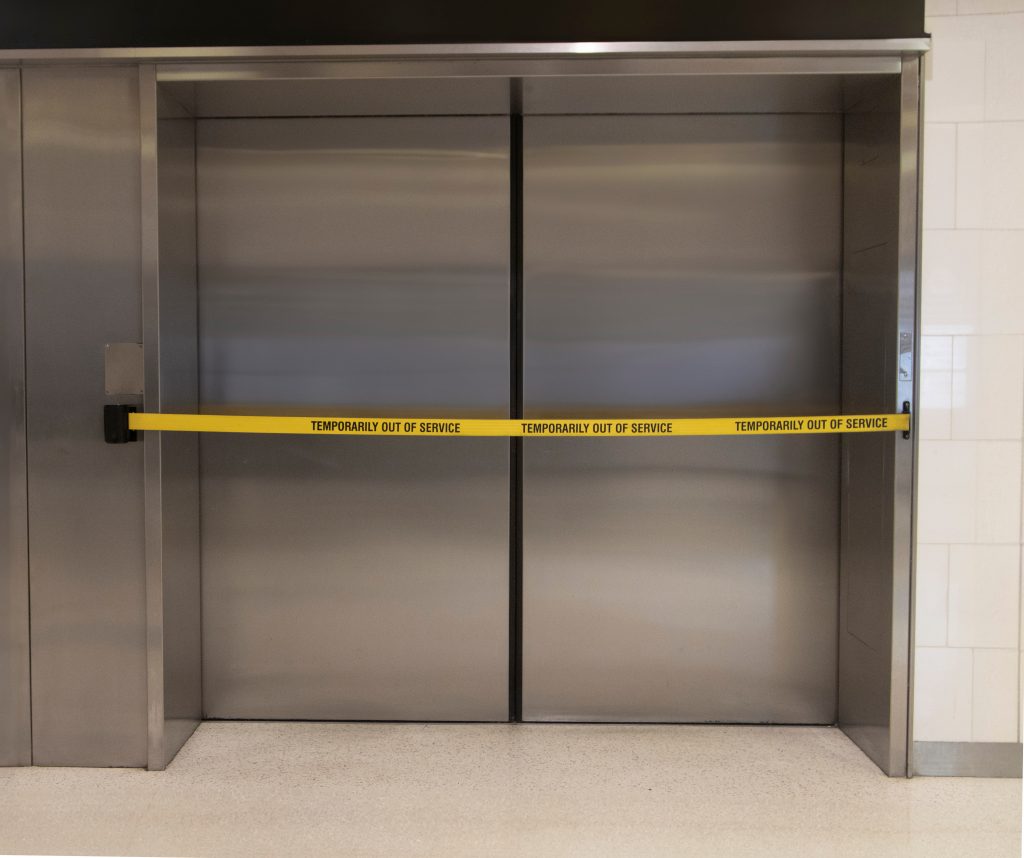
Modernization upgrades the working systems of the elevator: the controller, the machine or drive, door operators, fixtures, and safety equipment. It is a major capital project measured in weeks or months. An interior upgrade replaces what passengers see and touch: wall panels, ceiling, lighting, and handrails. It is a cosmetic project, and the installation is measured in days. They are related, they are often done together, but they are not the same thing.
What a Modernization Covers
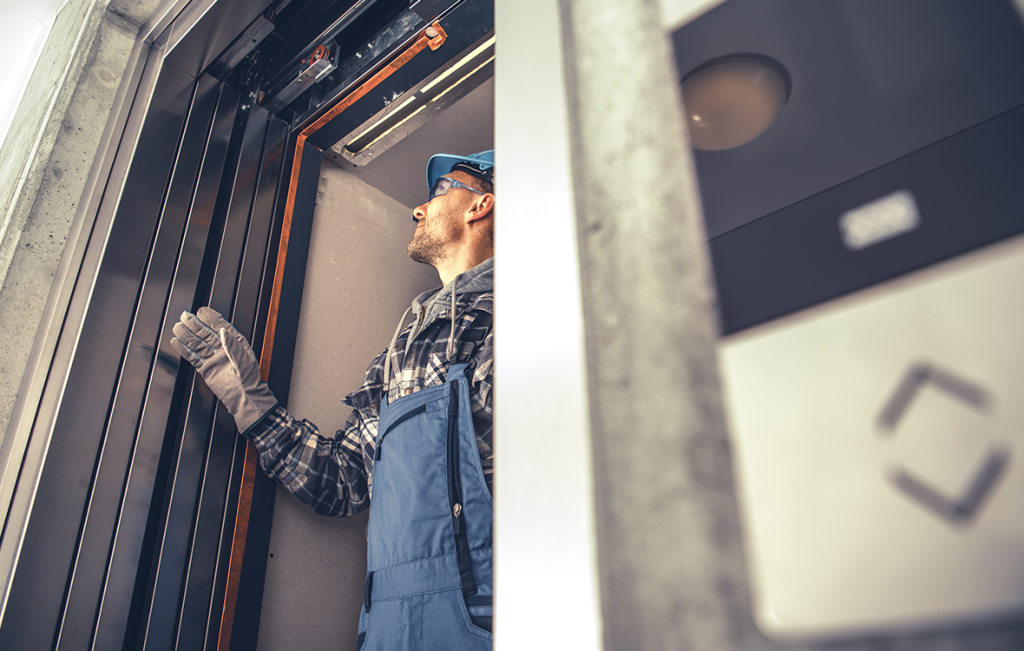
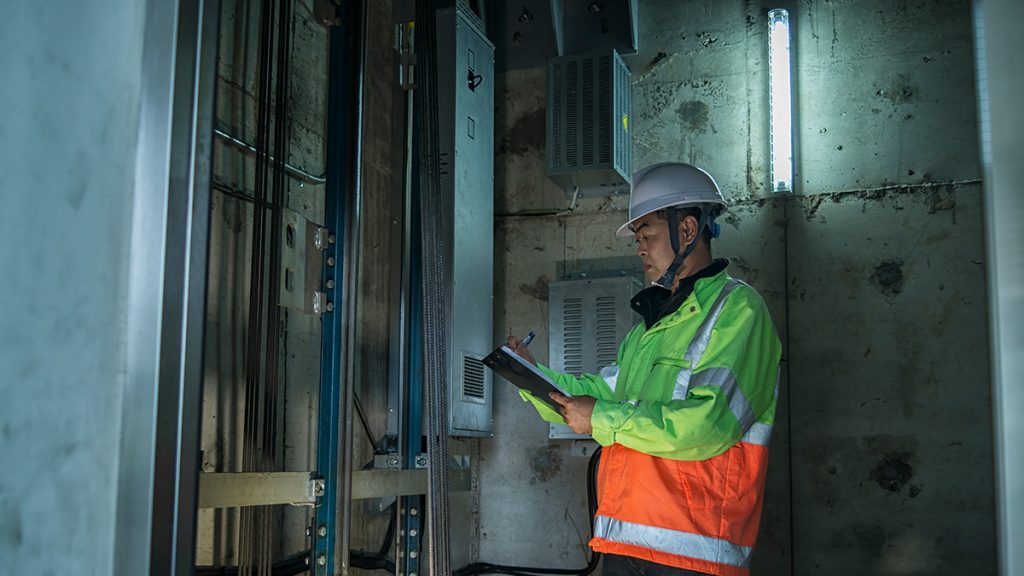
A modernization replaces or upgrades the equipment that makes the elevator run. Depending on the age and condition of the system, that can include the controller, the hoist machine or hydraulic power unit, door operators, hall and car fixtures, wiring, and safety devices. The goals are reliability, ride quality, code compliance, and parts availability for the next few decades of service.
Modernization is the right conversation when the elevator is showing its age where it counts: frequent shutdowns, long waits, rough stops, doors that struggle, or parts that are getting hard to source. Bring those symptoms to your elevator maintenance company. They will make the best recommendation for your specific equipment, which may be a modernization, or may be a far simpler service and repair. They can also tell you whether local code requirements are coming due.
What an Interior Upgrade Covers
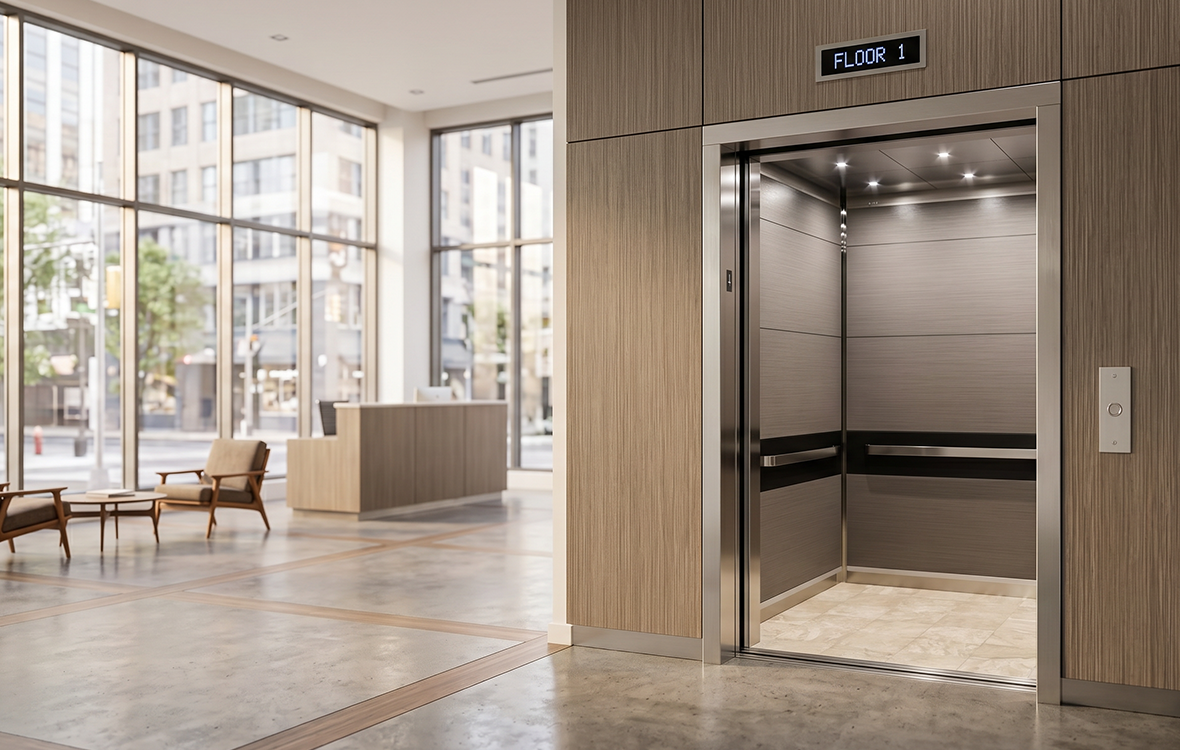
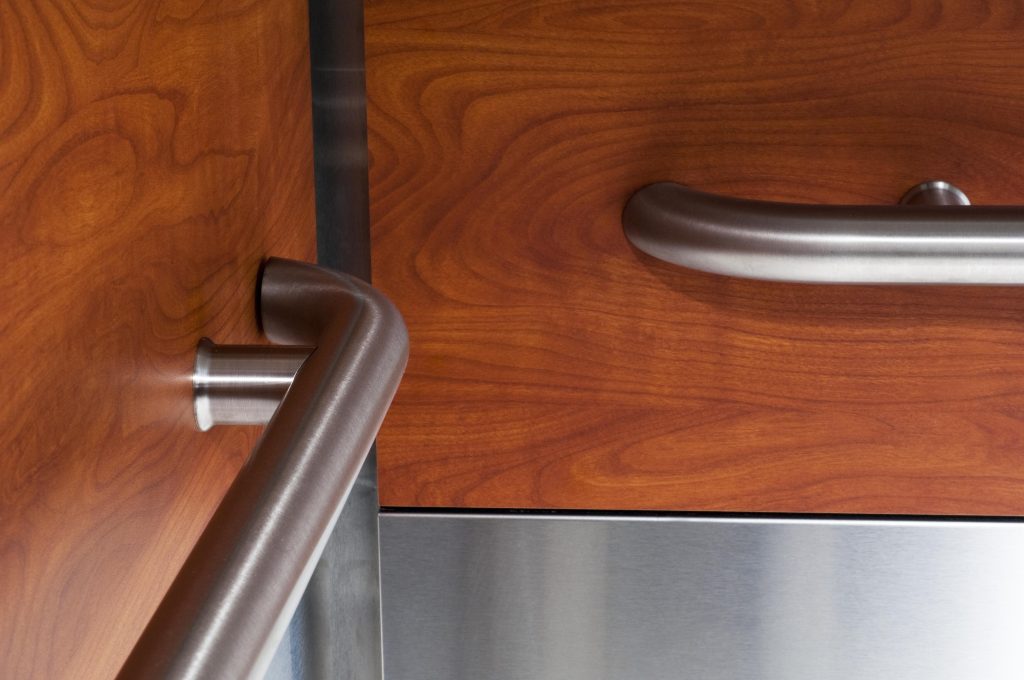
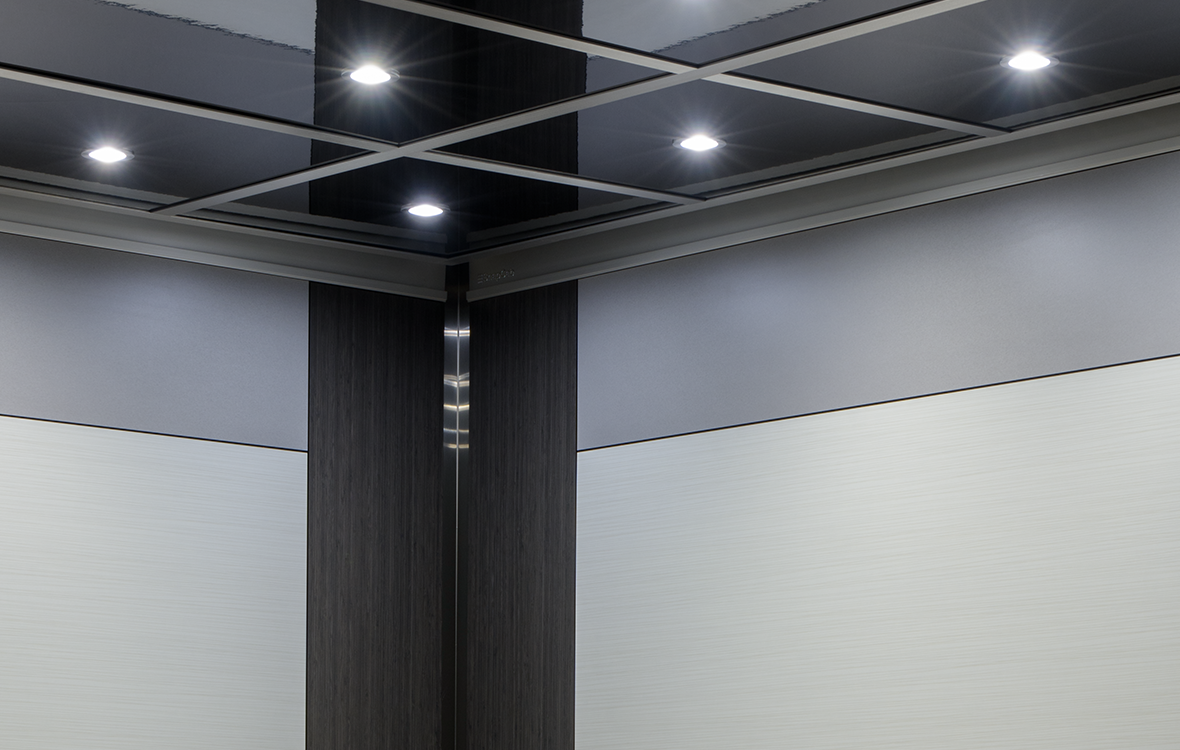
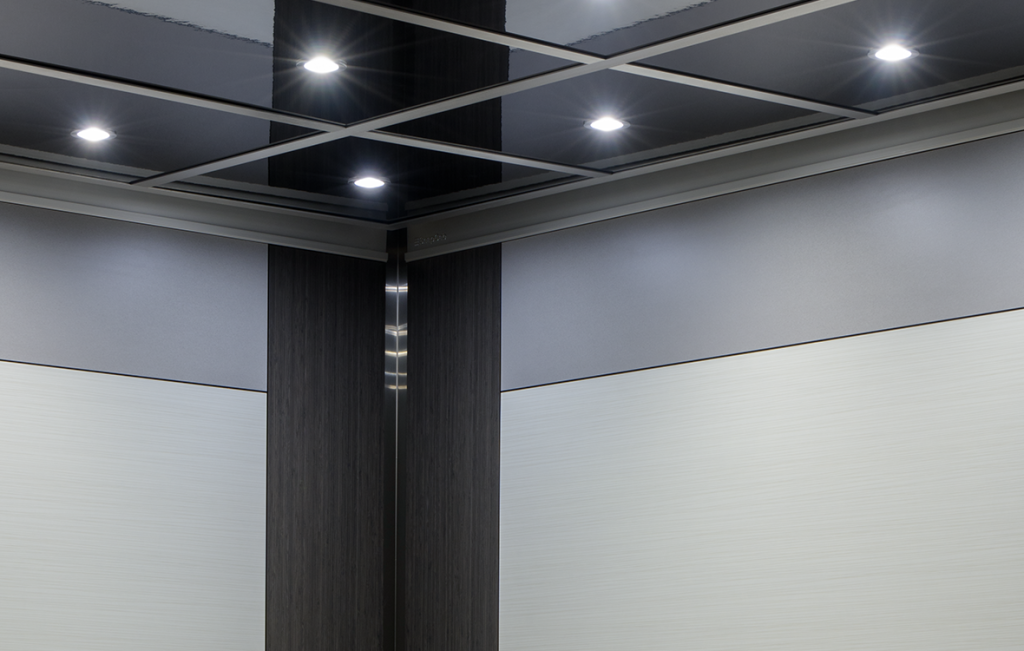
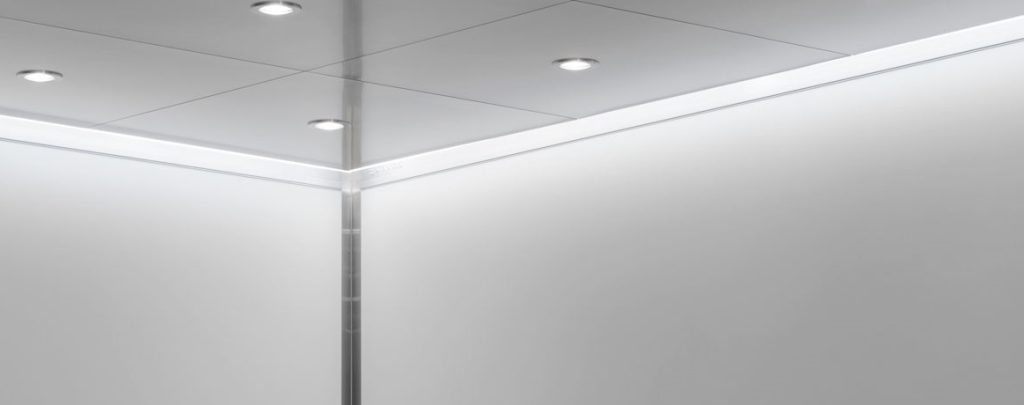
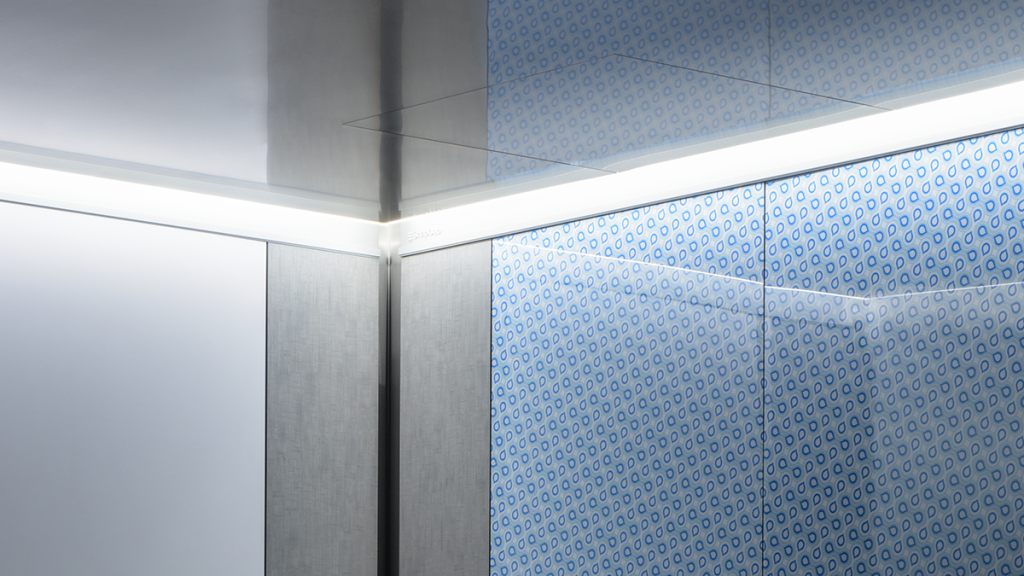
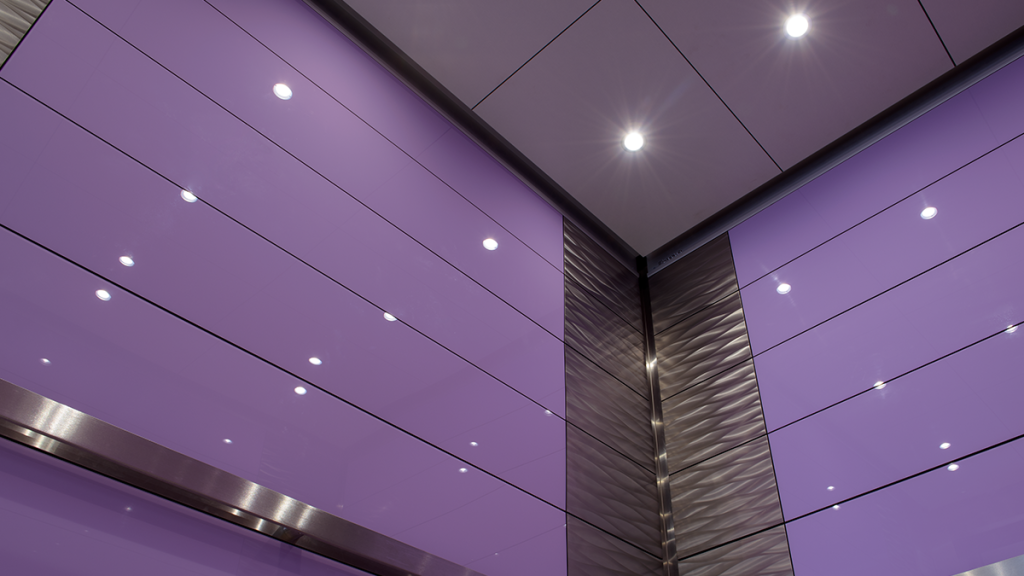
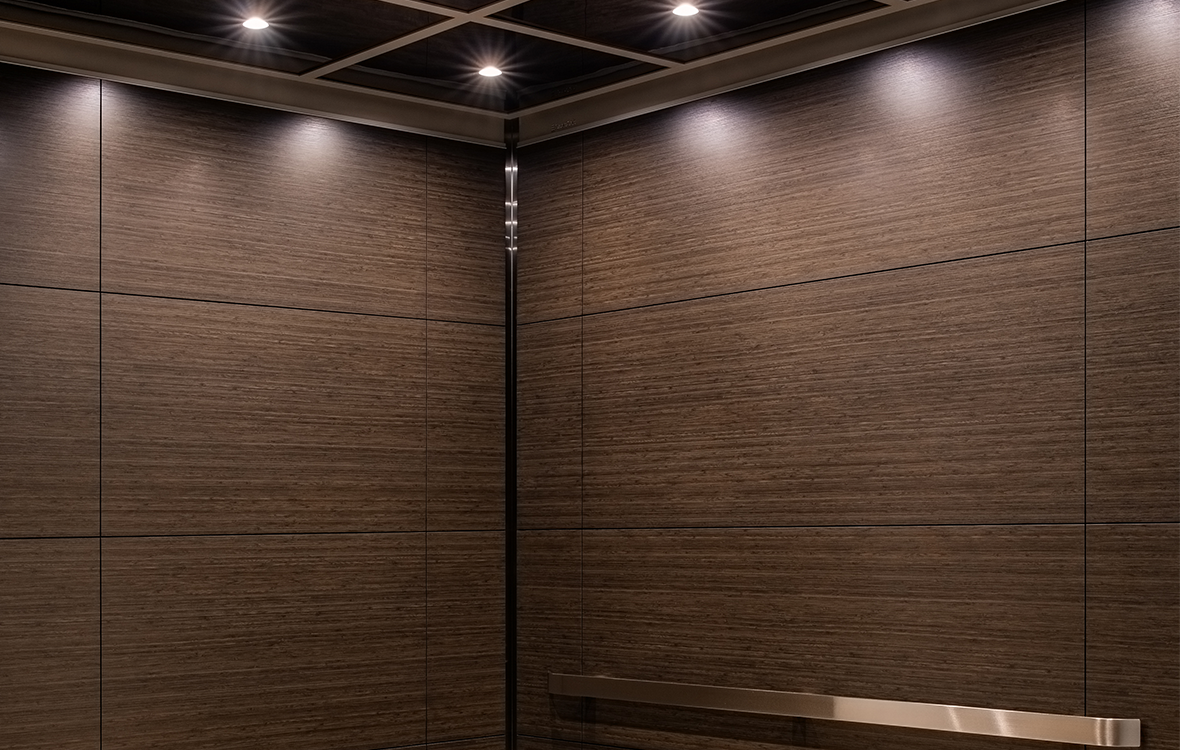
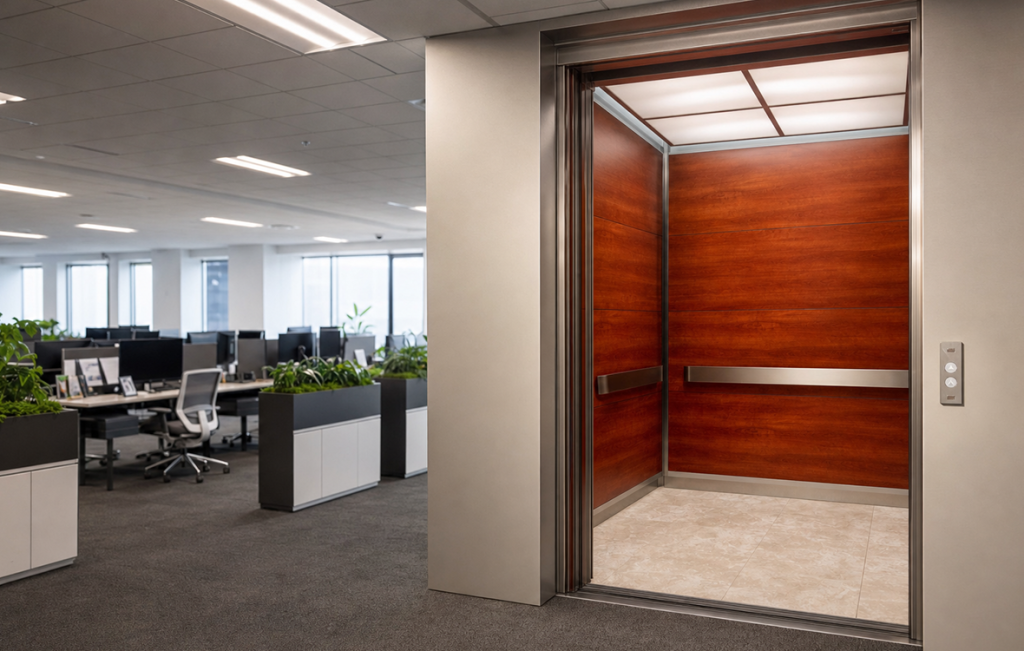
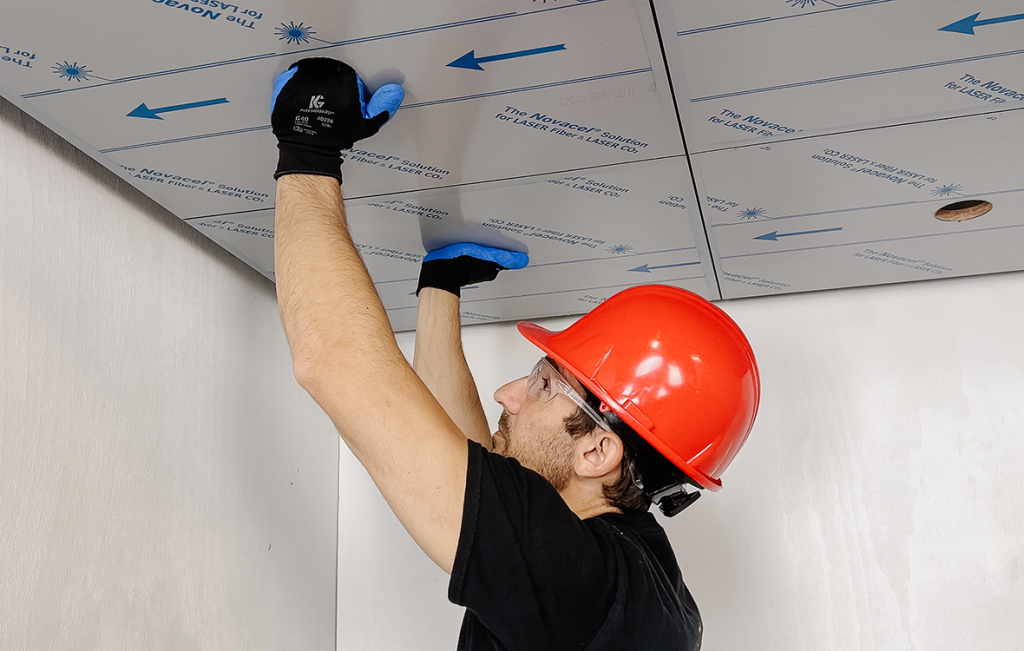
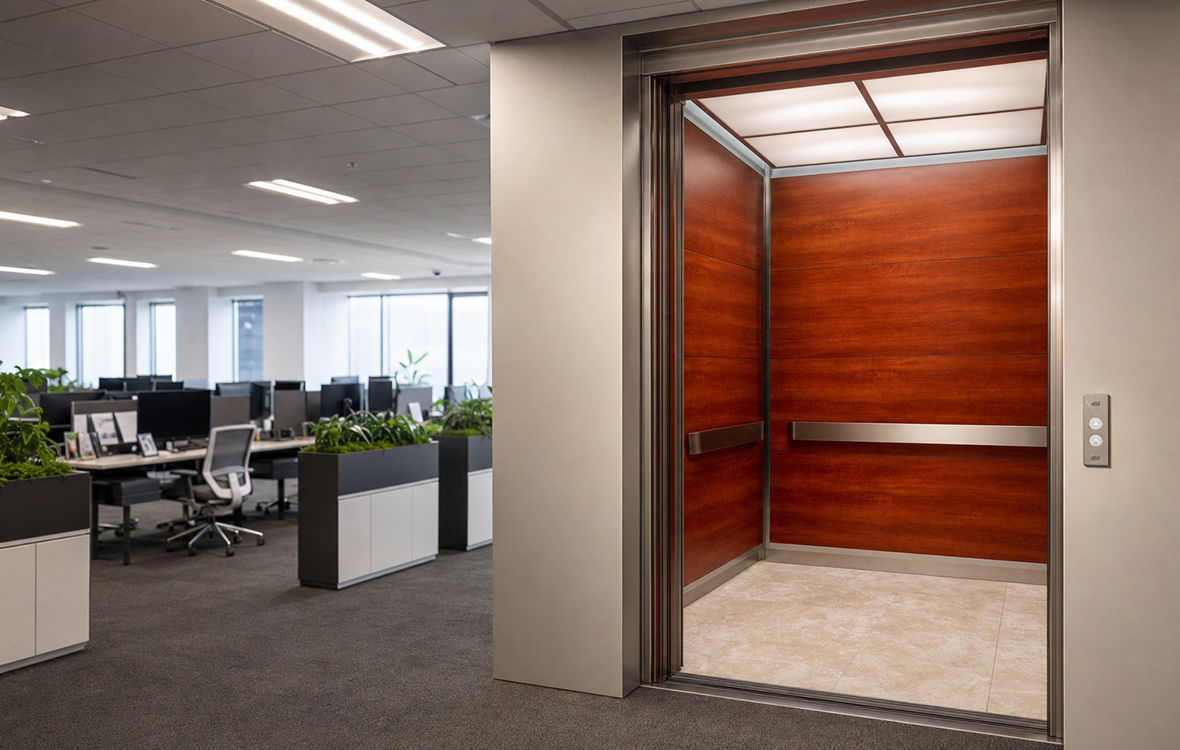
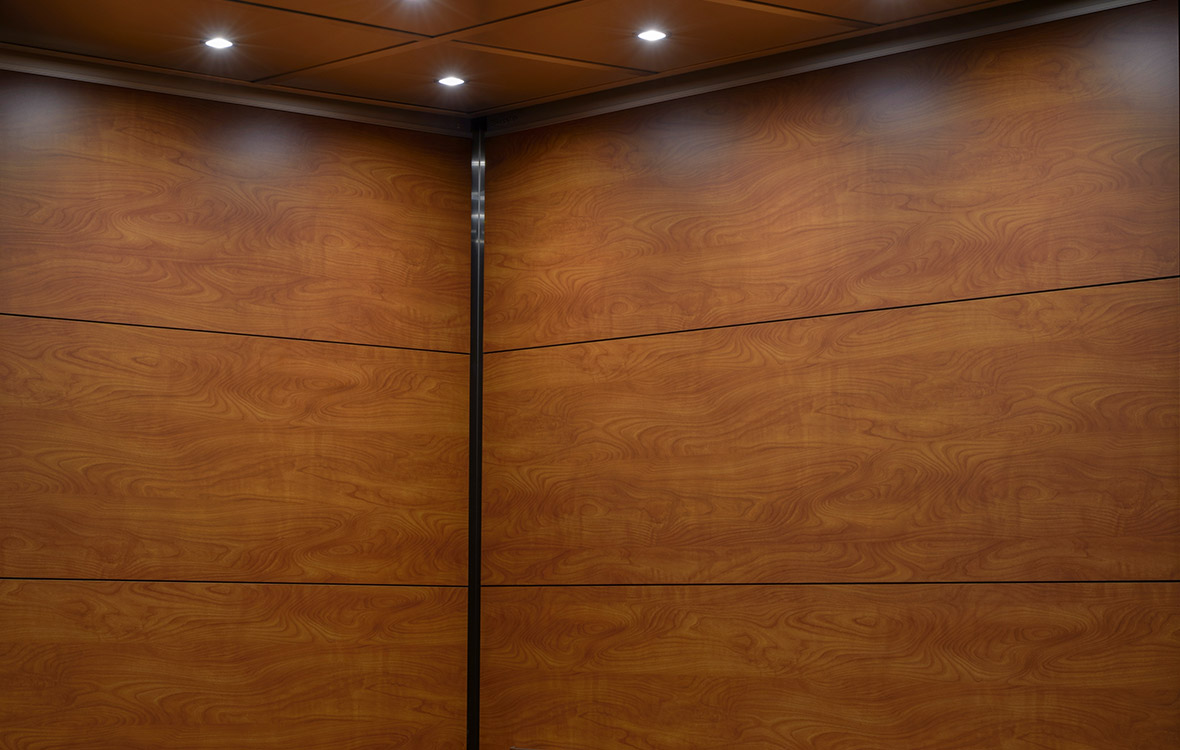
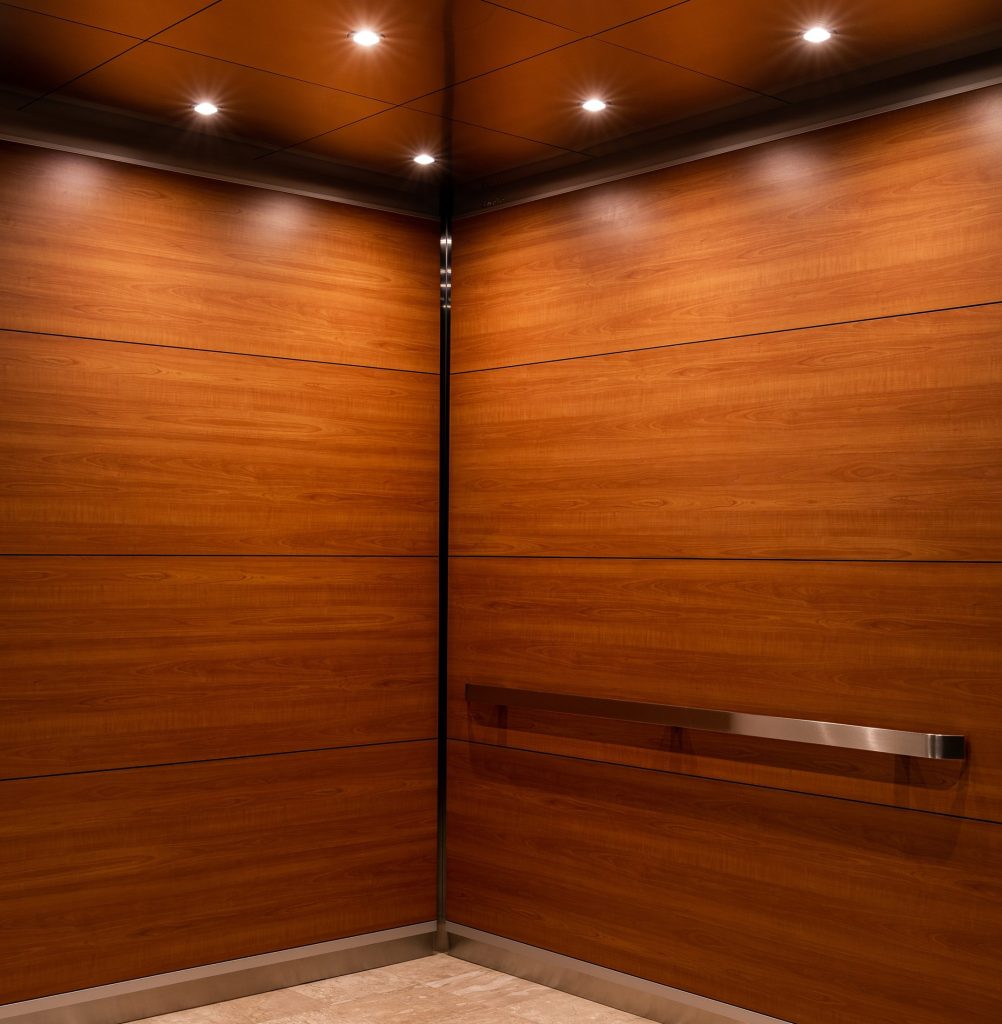
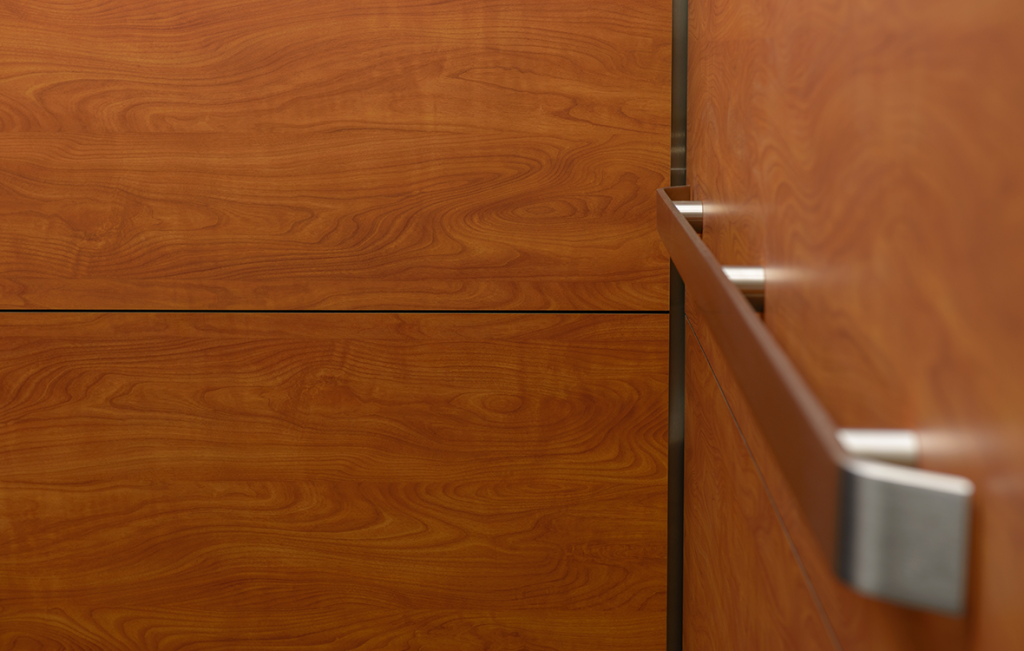
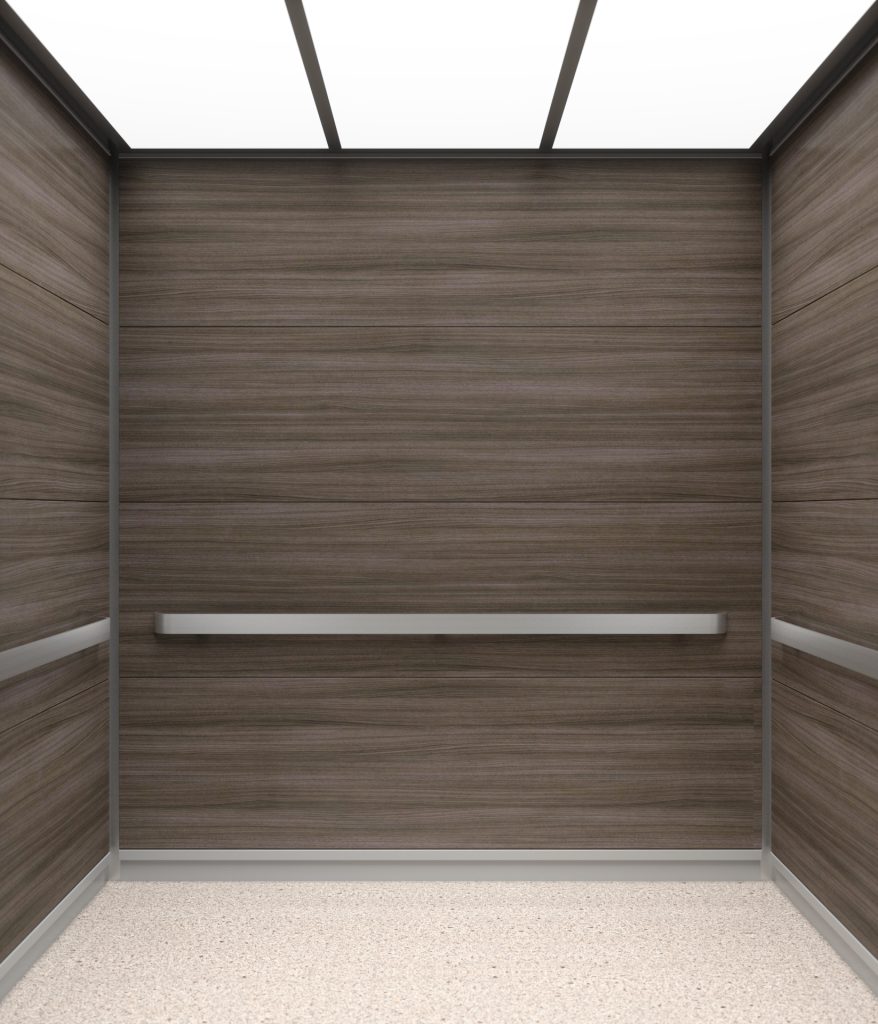
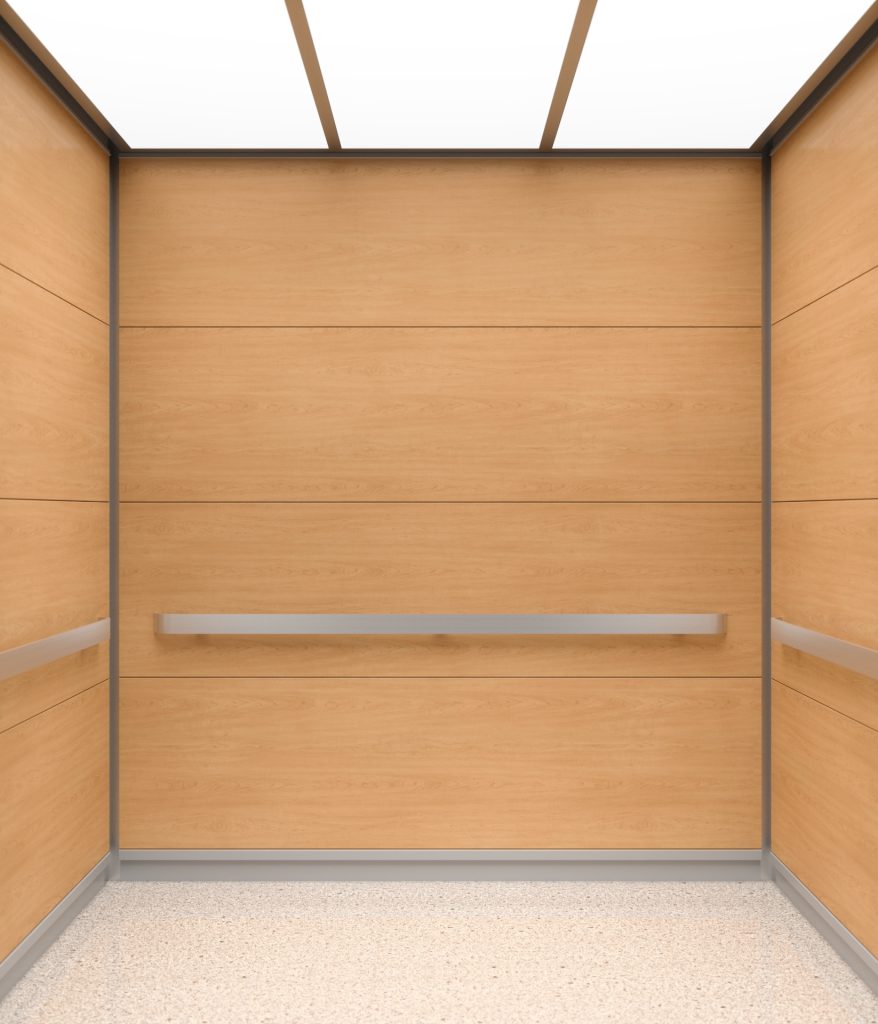
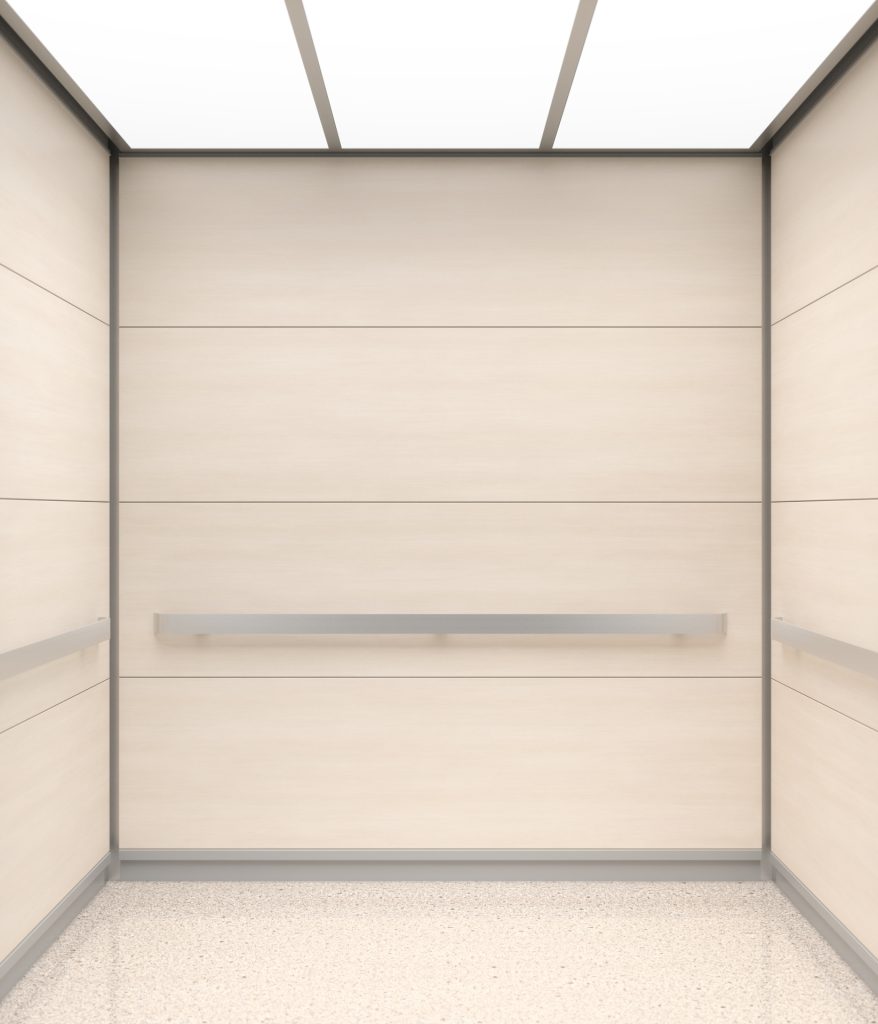
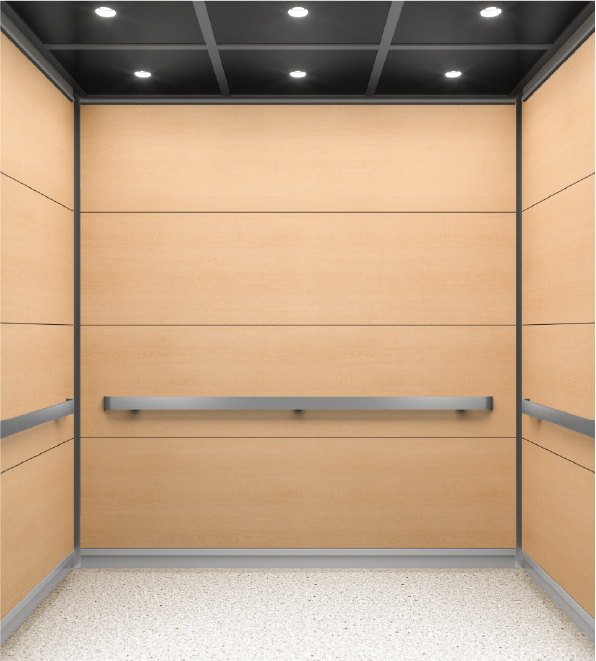
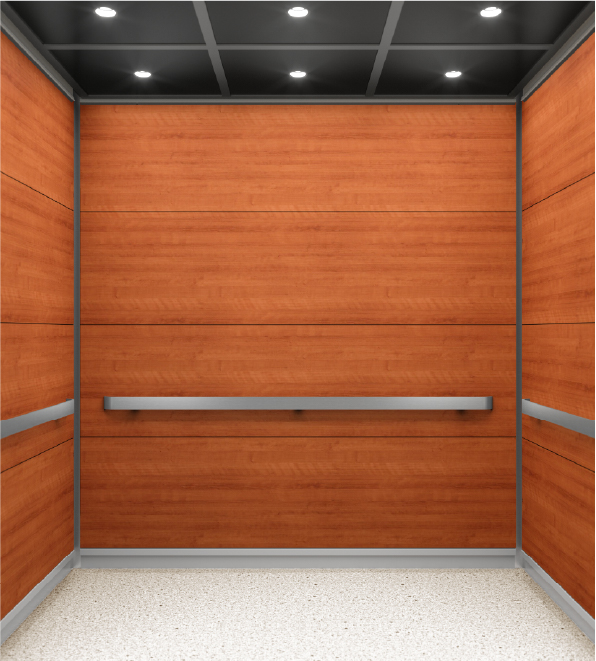
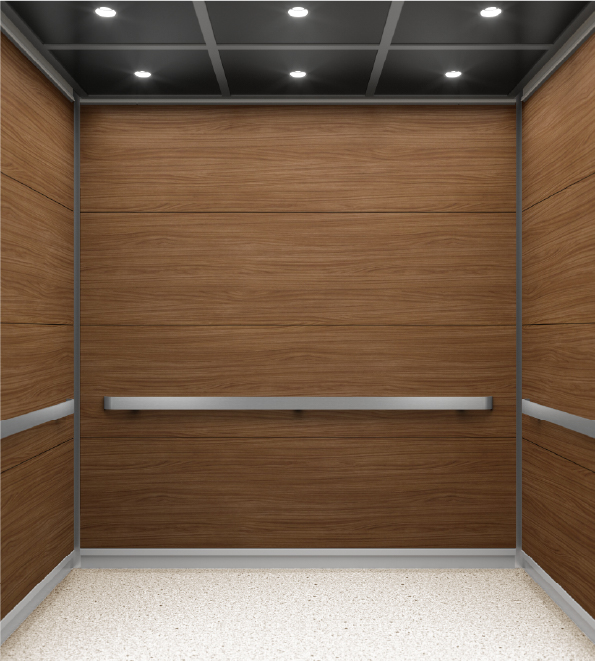
An interior upgrade, sometimes called a cab remodel or cab renovation, replaces the finishes inside the cab: wall panels, the ceiling and its lighting, and handrails. Flooring is typically handled alongside the project by your building’s flooring contractor. The cab shell, the doors, and all the working equipment stay exactly as they are.
An interior upgrade is the right conversation when the elevator runs fine but looks tired. The cab is the one space in the building nearly every tenant, resident, and visitor stands in, and a dated interior quietly drags down the impression the whole property makes.
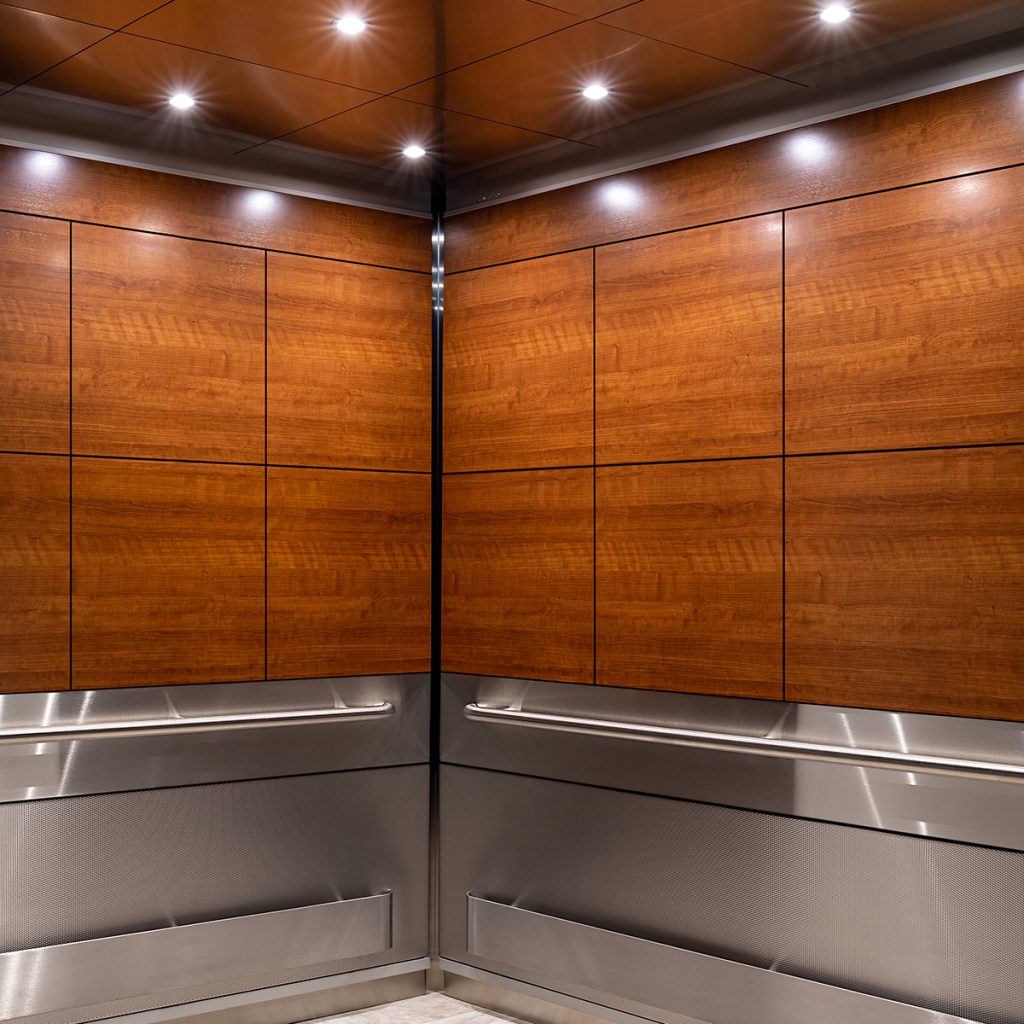
Interiors are also where feedback becomes product. The systems we supply today may look like what we made ten years ago, but almost everything about how they are produced and installed has quietly improved, because mechanics and building owners keep telling us what would make the job better, and we keep folding that back in.
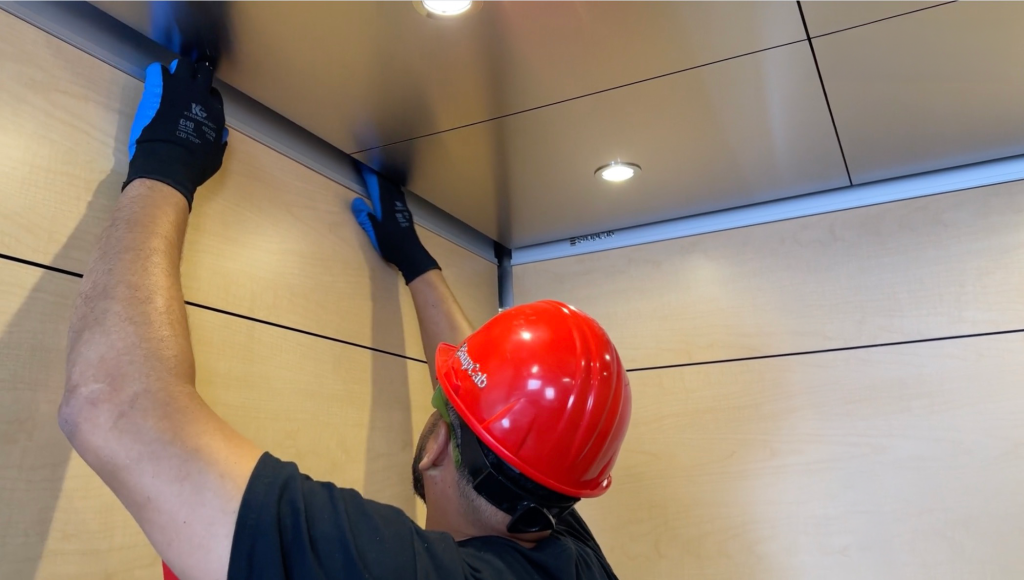
There is also a longer game here. A well-chosen interior system future-proofs the cab. On our standard interiors, each panel is individually replaceable, so one damaged panel does not mean replacing the whole interior. And when you think about what the next seven to ten years look like, a refresh down the road becomes a much quicker rip-out and reinstall. We keep your project information on file, so replacement panels are easy to order years later.
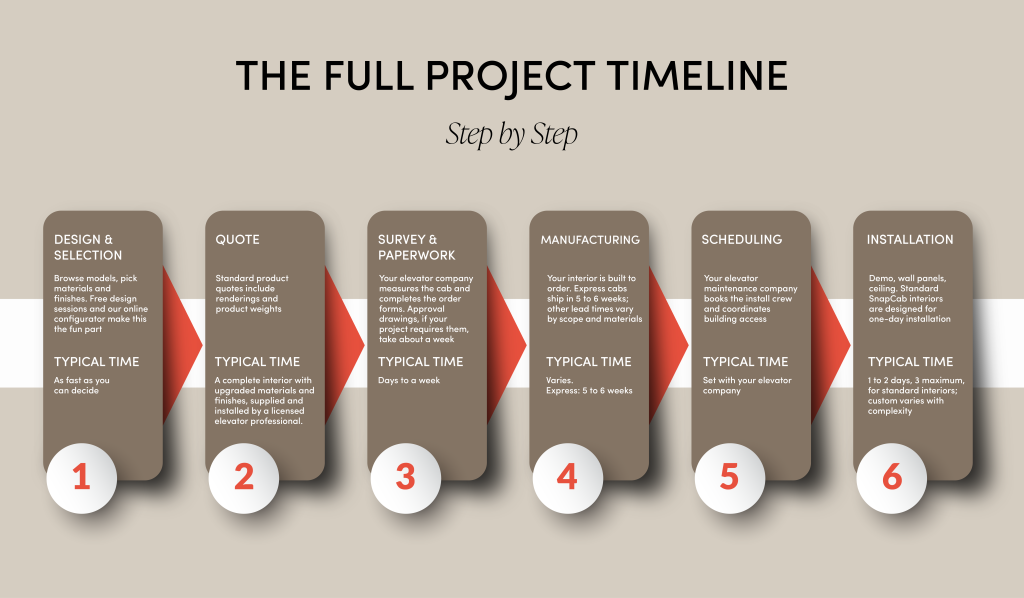
For the full interior project timeline from decision to install day, see our remodel timeline guide.
Side by Side
| Modernization | Interior Upgrade | |
|---|---|---|
|
What changes |
Controller, machine or drive, door operators, fixtures, safety systems |
Wall panels, ceiling, lighting, handrails |
|
Why you do it |
Reliability, ride quality, code compliance, parts availability |
Appearance, tenant experience, property image, durability |
|
On-site work |
Weeks to months per elevator |
Days. Our standard SnapCab interiors are designed for one-day installation |
|
Budget scale |
A major capital project. Scope varies too widely to generalize |
See our budget guide for the allowances we have seen carried |
|
Who performs it |
Your elevator maintenance company |
Your elevator maintenance company, with interiors supplied by a manufacturer like us |
Both are alterations in the eyes of elevator code, so both involve permits pulled by a licensed elevator contractor. Requirements vary by jurisdiction.
For interior budget details, including what developers and architects typically carry per cab, see our budget guide.
Matching the Project to the Problem
A simple way to think about it: modernization fixes how the elevator performs, an interior upgrade fixes how the elevator feels. Run down the symptoms.
- Choose modernization when: shutdowns are frequent, wait times are long, the ride is rough, doors misbehave, or your elevator company is warning you about aging equipment and parts availability.
- Choose an interior upgrade when: the elevator runs reliably but the cab looks dated, finishes are scratched or delaminating, lighting is dim or yellowed, or the cab no longer matches your lobby and brand.
- Plan both when: a modernization is on the calendar. In our experience, every modernization should go out with an interior at minimum, especially when it fits the timeline or the interior has not been replaced in a long time. The car is already out of service and the labor is already mobilized, which makes it the single best window your building will ever get for interior work.
The thread running through all three: bundle work whenever it makes sense. Not every interior upgrade requires a modernization, but if equipment work or even a small repair is coming due, an interior project is a natural opportunity to bundle it. Knowing whether a bundle makes sense for your building, and then what to bundle, when, and how the pieces fit together is where the real budgeting skill lives, and it is exactly the conversation to have with your elevator maintenance company before anything is scheduled.
The Mistake in Both Directions, and the Bigger One
An interior upgrade will not fix a slow or unreliable elevator. If riders are complaining about wait times and shutdowns, new panels will not change their experience, and the money is better pointed at the equipment first.
The reverse mistake is just as common, and in our experience, it is the bigger one: modernizing the elevator without touching the interior. After decades of supplying projects, we have come to a simple position: no modernization should be done without the interior. Here is why.
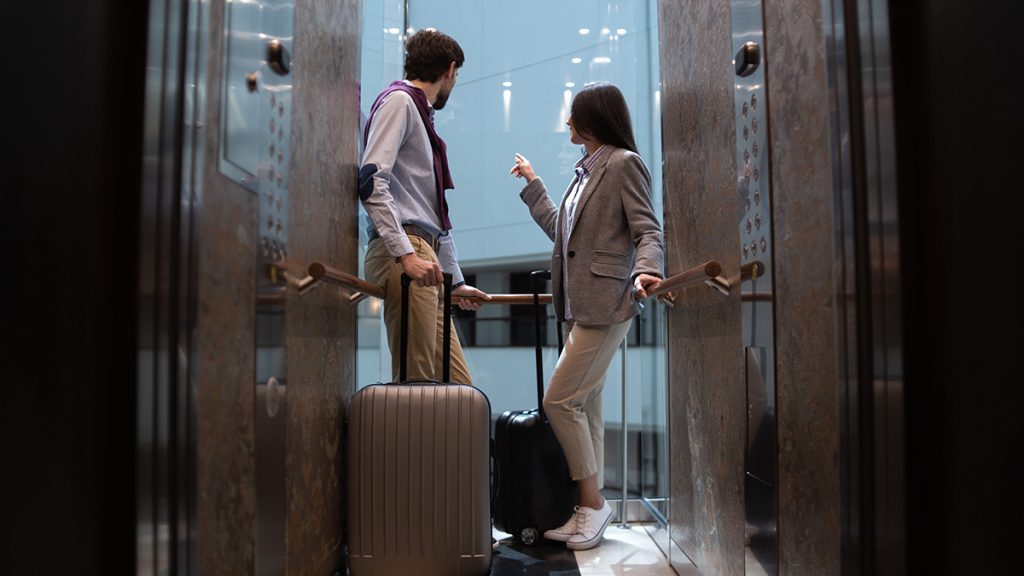
The riding public never sees your new controller. The cab is the only part of the elevator they ever experience, and nothing makes riders feel safer and more comfortable than stepping into a fresh, well-kept interior. Skip it, and tenants walk into a freshly modernized elevator and notice nothing except the same tired walls. All of that equipment investment becomes invisible.
The economics point the same direction. A modernization already has the car out of service and skilled labor mobilized on site. Bundling the interior into that effort is the strategically better long-term approach: the incremental cost is a small fraction of the total project, and it is the only part of the budget your riders will ever compliment.
Start the Conversation Early
Whichever direction you lean, the same advice applies; get your elevator maintenance company involved early and get us involved early on the interior side. The sooner the experts are in the room, the sooner you have a realistic allowance for your specific building and market, and the fewer surprises you hit down the road.
Frequently Asked Questions
Quick answers about modernizations, interior upgrades, and how they fit together.
Is an interior upgrade part of an elevator modernization?
It should be. In our experience, no modernization project should be done without the interior: riders only ever see the cab, and the labor is already mobilized. But it is not automatic, so always confirm the interior is in the scope, because it is a line item that sometimes gets cut.
Do I need a modernization before I can update the interior?
No. If your elevator runs reliably, you can upgrade the interior on its own. Our standard SnapCab interiors install inside the existing cab shell and work with Otis, Schindler, TK, KONE, and nearly all other elevators. That said, if equipment works or a small repair is coming due anyway, ask your elevator company about bundling it with the interior project.
How much should I budget for an interior upgrade?
The most common allowance we have seen developers and architects carry for mid-tier interiors is $45,000 to $55,000 per cab, covering material and installation. It can run lower or higher depending on location, logistics, and the complexity and type of the project. Our budget guide covers this in detail.
Does an interior upgrade require a permit?
Interior changes beyond simple housekeeping are typically treated as alterations under elevator code, which means permits pulled by a licensed elevator contractor. Requirements vary by jurisdiction, so your elevator maintenance company is the right first call.
What happens if a panel gets damaged years later?
On our standard interiors, each panel is individually replaceable, so one scratched or damaged panel does not mean redoing the cab. We keep project information on file, which makes ordering a matching replacement simple, even years down the road.
Who should I call first?
Your elevator maintenance company. They know your equipment, your local code, and your market. Then get us involved early so the interior allowance in your budget reflects reality.